BSD
Brochos – 14b
Mar Cheshvan 9, 5787. 10/20/2026
Some Shiur notes.
1- Discussed קריאת שמע that contains only 245 words and the suggestions to add 3 more words, to equal 248.

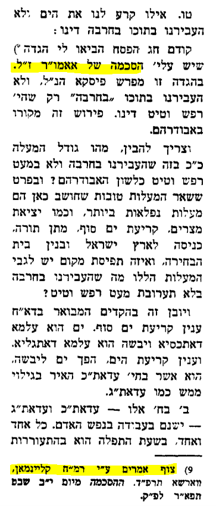
Either by saying קל מלך נאמן before ק”ש, or by the חזן repeating ה’ אלוקיכם אמת.
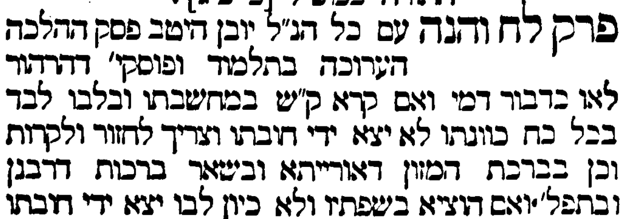
בית יוסף על אמירת קל מלך נאמן.
2- With the latter suggestion, we encounter 2 issues:
A- What happens when saying ק”ש when Davening ביחידות with no חזן.
See here from the Alter Rebbe 61. Very sharp words!

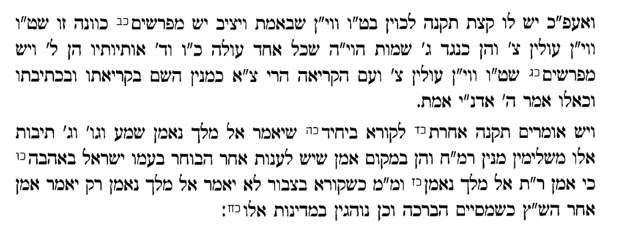
B – What should women that have 252 אברים do?

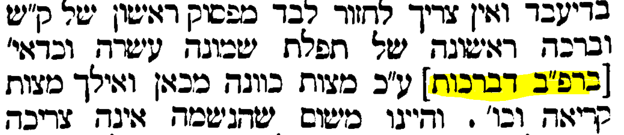
We discussed the מנחת אלעזר’s take on this. (2, 28). See here.
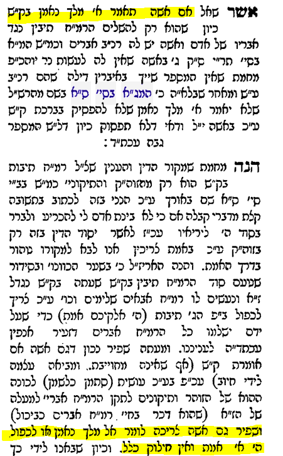
3 – We discussed an interesting question last week.
The idea of 248 אברים is from the משנה in מסכת אהלות. – Chapter 1, 8 where all 248 are enumerated.
These 248 are אברים that contain a bone. Ones without a bone are not counted.
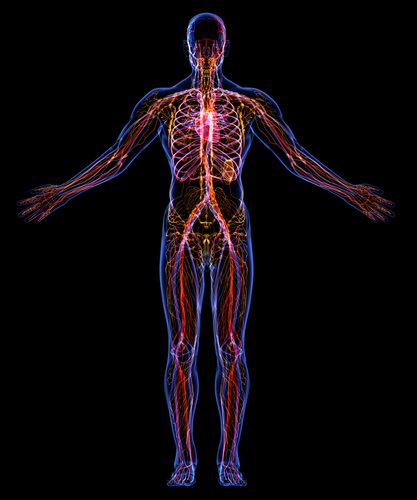
So when we say רמ”ח אברים, we refer to אברים that contain a bone.
Now the heart, lungs, kidneys, intestines and liver have no bones.
Thus, when we make a מי שברך לחולה requesting a רפואה for this particular חולה for all his רמ”ח אברים, we omit all the above:heart, lungs, kidneys, intestines and liver!!
Why not say כל אברים to include everything?

Found so far one place that tackles this question, but none that attempt to answer it.
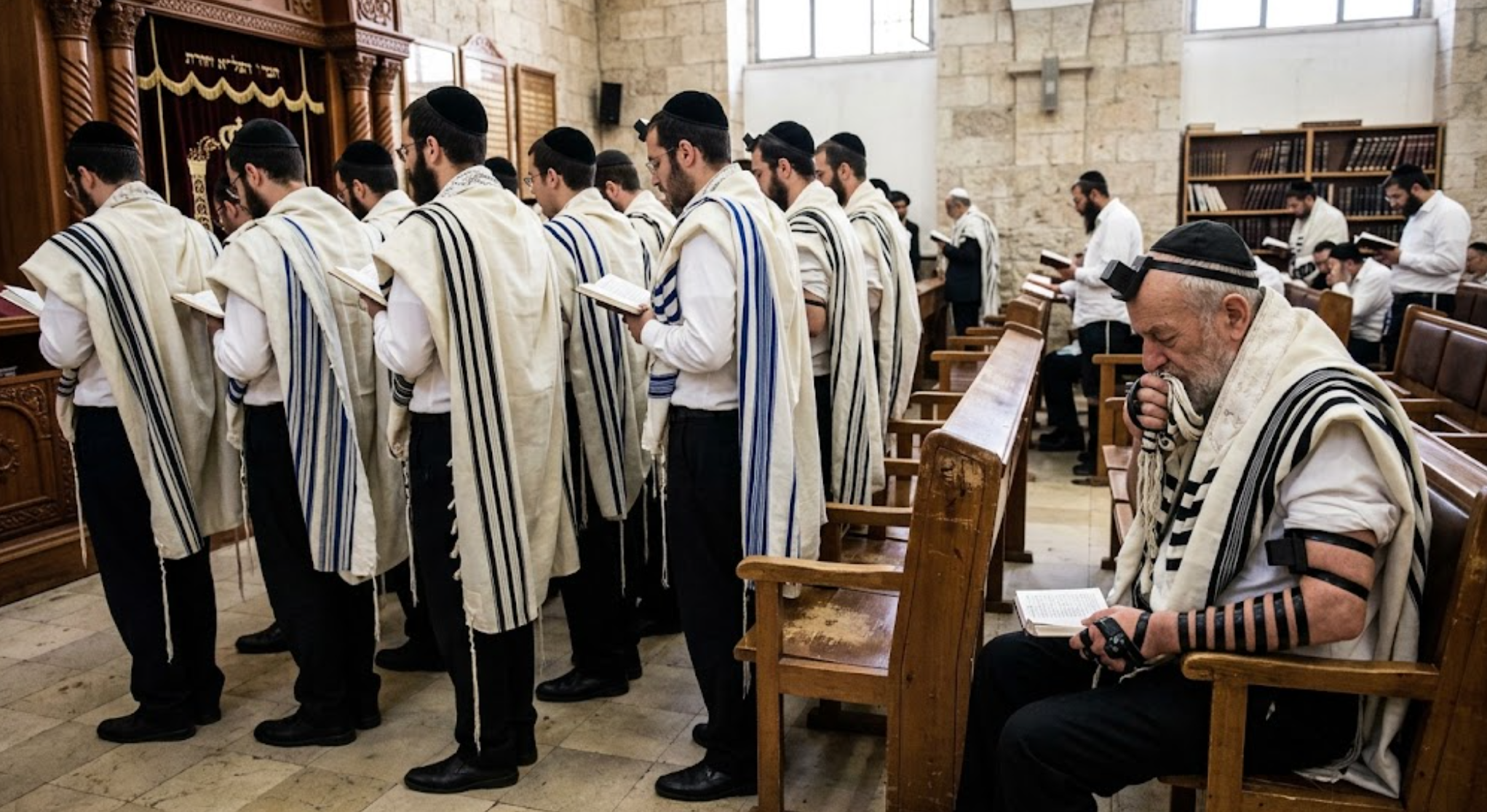
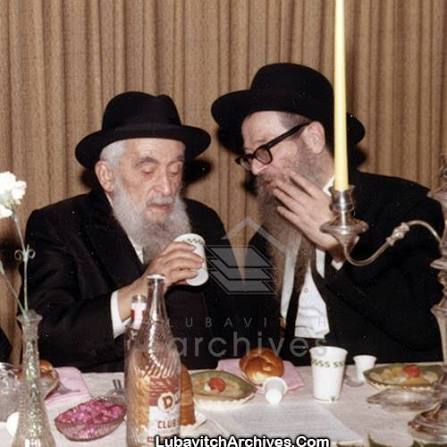
4 – Mentioned the two Chassidim that usually Davened slowly except when they were the חזן in the presence of the Rebbe.
When the Rebbe would say עושה שלום, Rabbi Mentlick OH would simply start חזרת הש”ץ regardless of where he was up to….
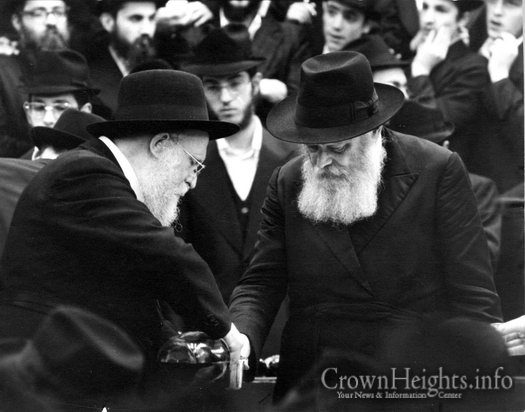
Reb Zalman Duchman would לכתחילה say the ברכות of שמונה עשרה like תיקון ליל שבועות….and even then, he barely finished on time – just as the Rebbe would be finishing שמונה עשרה….

5 – Our גמרא discusses the מנהג of ארץ ישראל not to say the 3rd פרשה of ציצית at מעריב.
6 – Stopping in middle of ברכות קריאת שמע. If one pauses for a period of the time that it takes him to say the entire ברכות he may need start from the beginning. See detail in Alter Rebbe’s Shulchan Aruch OC 65.
Story of the fellow that ran into 770 looking for cash so that his car would not be towed. One of the מתפללים offred to run home to fetch the amount of cash needed – and he ran out of שול wearing his טלית ותפילין!
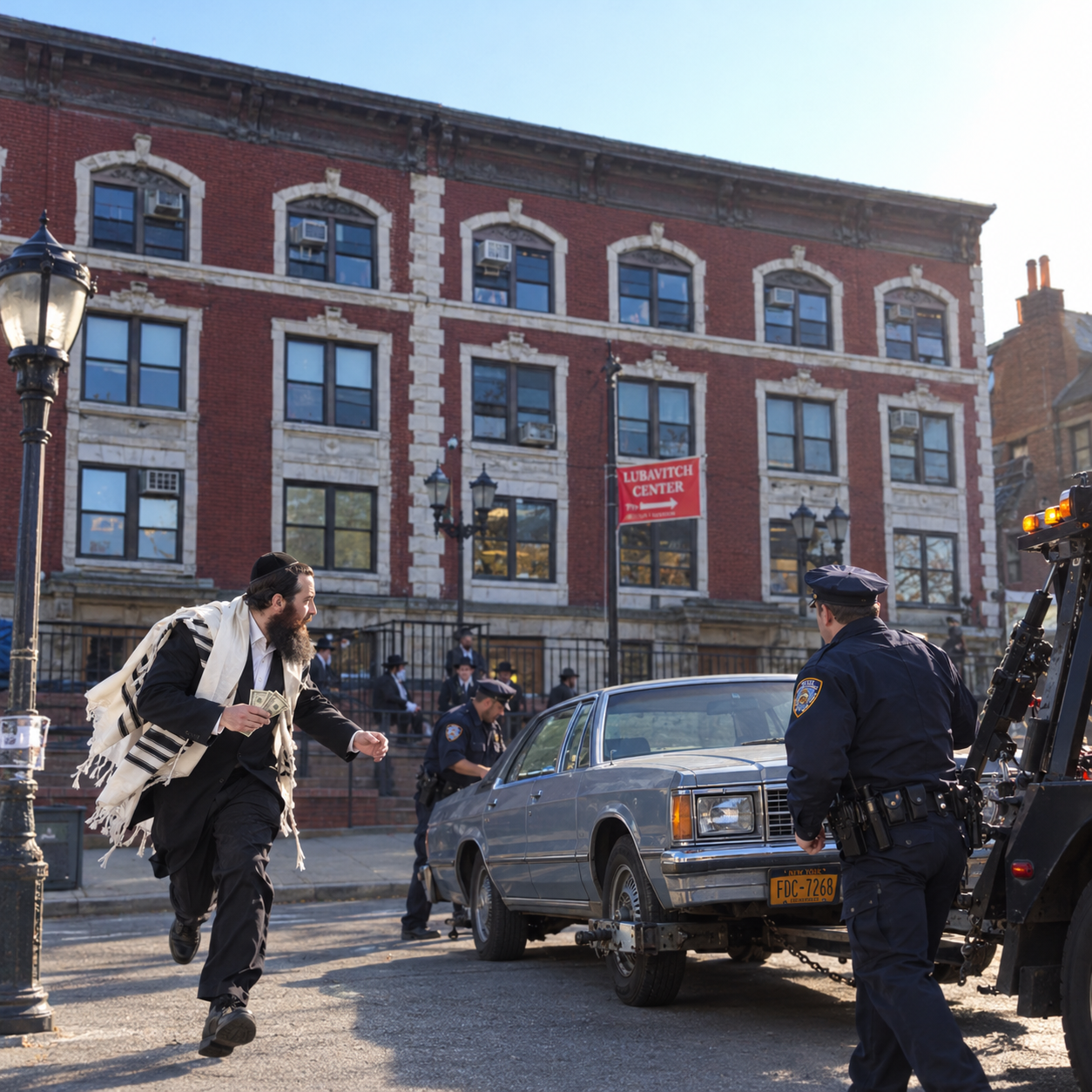
Since he performed this great מצווה during קריאת שמע, upon returning there was a discussion whether he should continue from the place he left off or start from the beginning.
7 -Topic of doing business with non-kosher food:
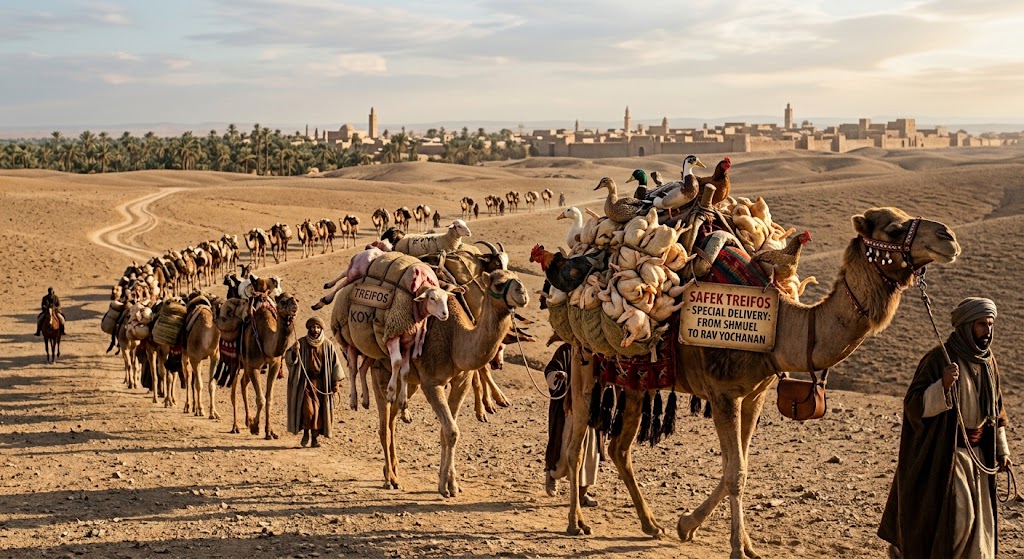
The heter to sell non-kosher food applies only when it comes to a person by chance, b’nizdamnu (נזדמנו).
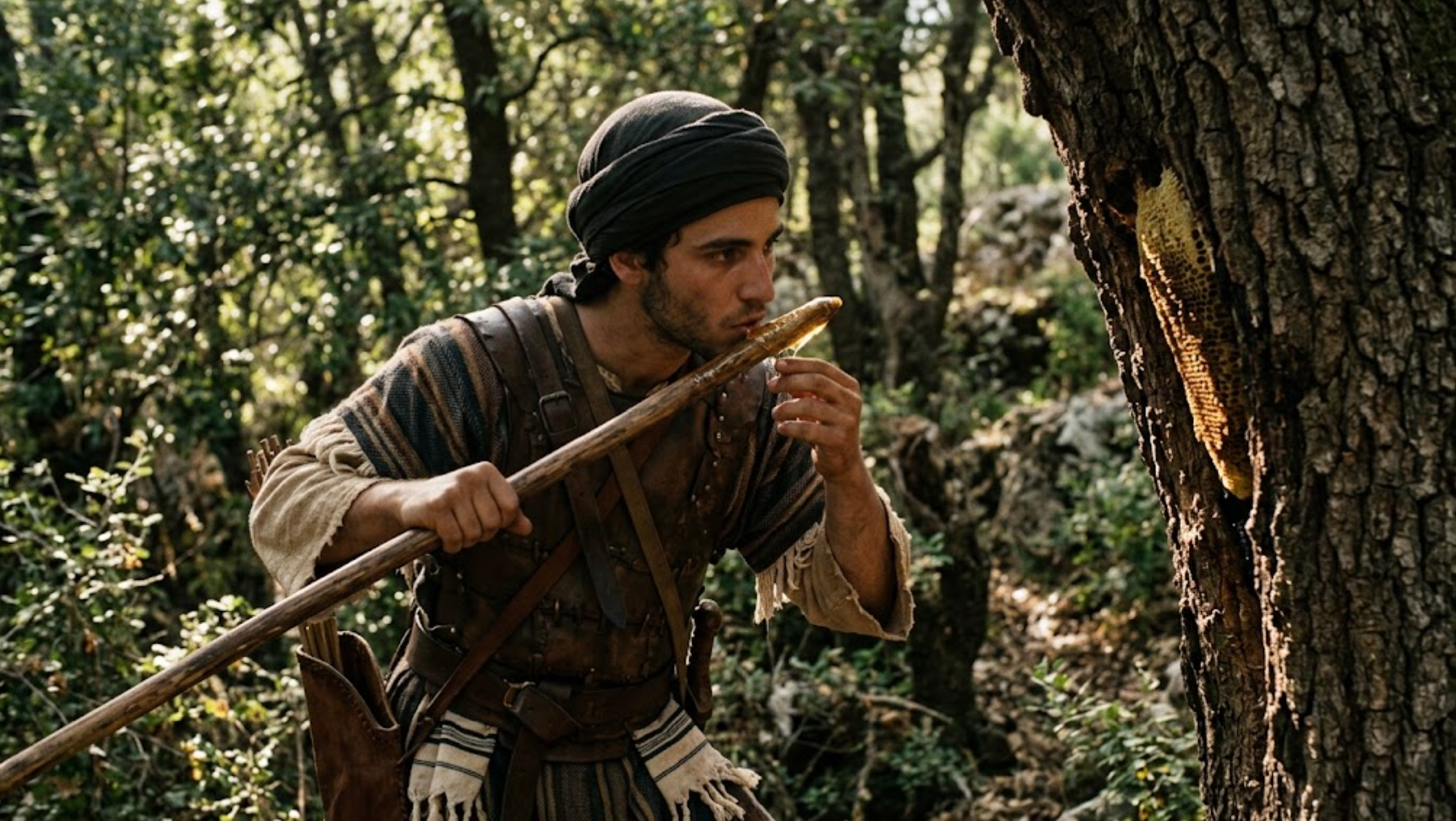
One example is a hunter who sets traps for kosher animals and finds a non-kosher animal caught in one. That is נזדמנו.
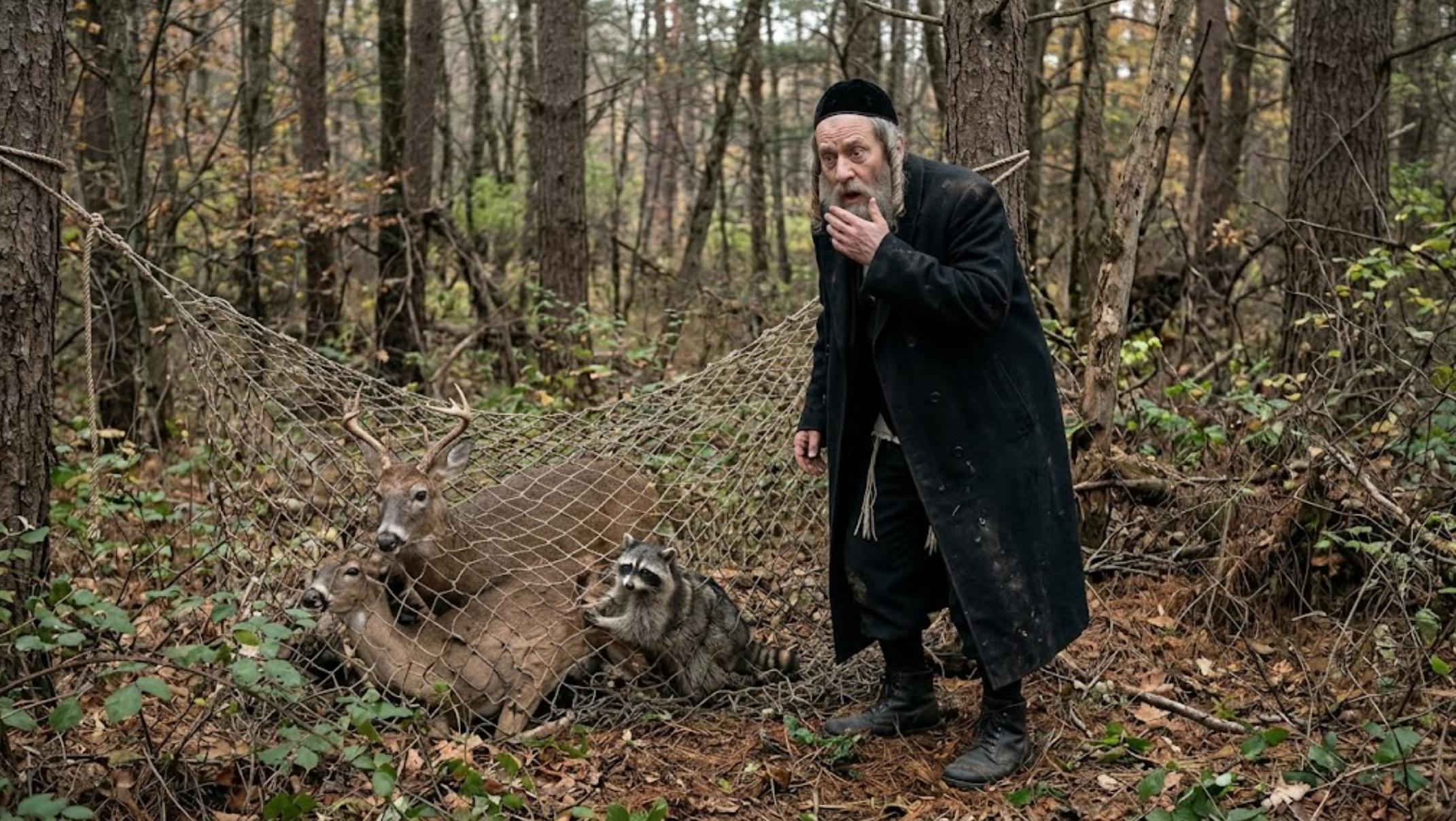
Another is the treifos (טריפות) that inevitably turn up in a kosher slaughterhouse.
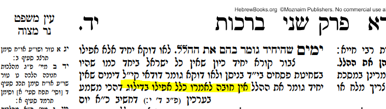
Related to this is the well-known ruling of the Taz, based on our Gemara, concerning the frum furriers of his day.
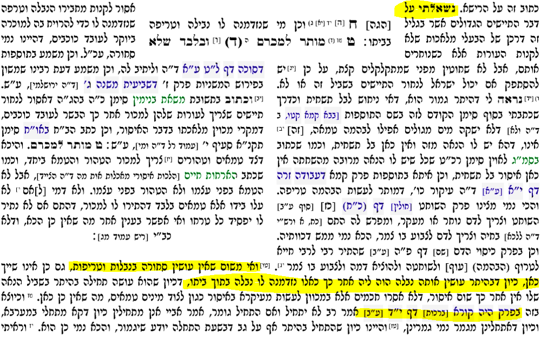
אמת. לא יתחיל. ט”ז יו”ד קיז, ד.
8- Story of the two חזנים. One Davening Nusach ספרד in an אשכנז Shul, the other one was Davening נוסח אשכנז in a נוסח ספרד Shul.
One was forced to omit (in קדיש ) the words וְיַצְמַח פּוּרְקָנֵהּ וִיקָרֵב מְשִׁיחֵהּ, so he paused and thought about the words and it’s meaning.
The other was forced to say the words וְיַצְמַח פּוּרְקָנֵהּ וִיקָרֵב מְשִׁיחֵהּ, so he reluctantly said it, while thinking Moshiach should …. ח”ו…..
——————————
Hebrew notes
אהלות א, ח. רק עם עצם. ועי״ש שקו״ט במפרשים הפשט בנקביו. אם הפירוש הוא ב׳ וגיד הרי אין בהם עצם.
[ובנגעים ו, ז לענין טומאת צרעת, נמנו גם אברים שאין בהם אבר]
כתובות מו, א אבר שהנשמה תלי׳ בו, פרש״י כגון לב.
צ״ע על המי שברך שאומרים רמ״ח אברים, מה עם אברים כמו הלב וכדומה שאין בהם עצם?
כי נשמה באפו. ז”ח צ, ד.
רמ״ח אברים. באשה? רנ”ב. ובמנחת אלעזר (ב כח) דן אם נשים חייבים בזה. ומסיק שענין הרמ”ח מקורו בזהר ומכוון לרמ”ח בז”א ולא באדם, ולכן עדיף שגם אשה תאמר את זה.