Shiur Shkolim 19b Adar 25, 5785 – 3/19/25

BS”D
Shkolim 19b
Adar 25, 5785 – 3/19/25

Short notes on topics discussed.

1- Spent time discussing רוב and קבוע.

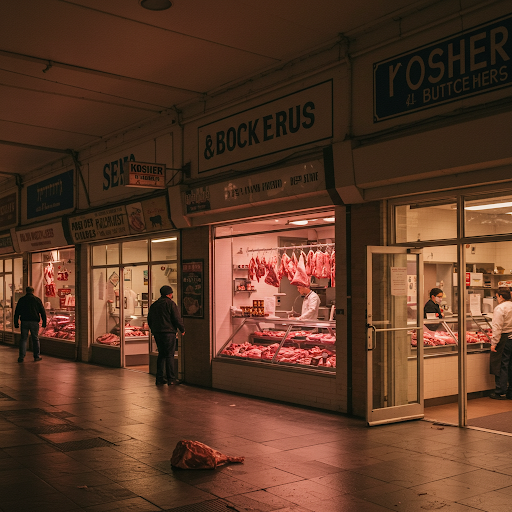
The classic example, as mentioned in our גמרא, is a piece of meat found on the street in a neighborhood like Crown Heights, where most stores selling meat are Kosher.  The רוב sells Kosher.
The single Bodega on Troy Ave. is the מיעוט.
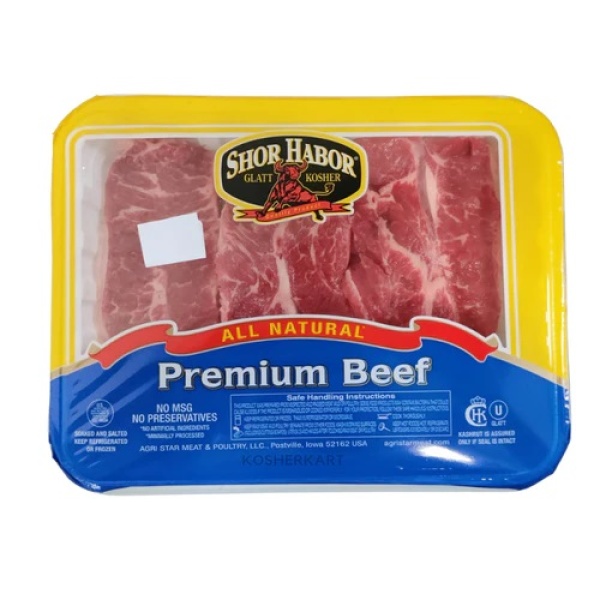
Tray Pack Minute Steaks USA Beef - Kosher Now Las Vegas

[This is not exactly the case of תשע חנויות- just a example]

Think of a wrapped burger sandwich found on Kingston Avenue that perhaps fell off an Uber Eats moped.

Wrapped Burger Mockup

Obviously, the meat found is not tray packed with a Hechsher….

So what are the odds the burger was cooked and prepared in one of the many Kosher stores and take-out locations? 9:1.

We therefore deem the sandwich to be Kosher (leMahadrin) since the majority of stores in the neighborhood sell Kosher.
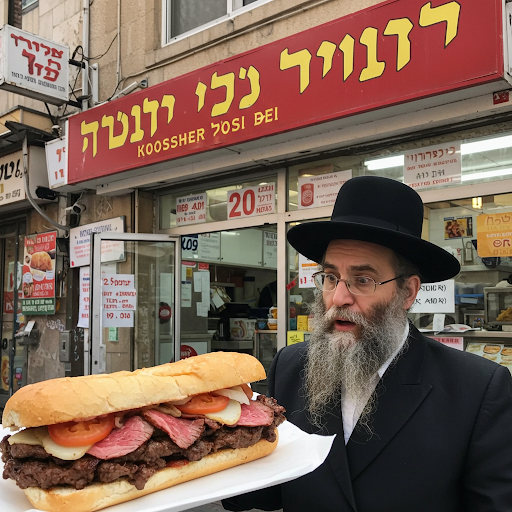
This is the simple definition of רוב.

Now for קבוע.

However, if one goes shopping, buys meat and when he comes home he cannot remember if the meat he purchased was from a Kosher or the non-Kosher store. (Say he occasionally buys cheaper non-Kosher meat for his non Jewish workers).

Since this ‘doubt’ ספק, began inside whatever store he purchased the meat, it is designated as קבוע, meaning that we do not follow רוב.
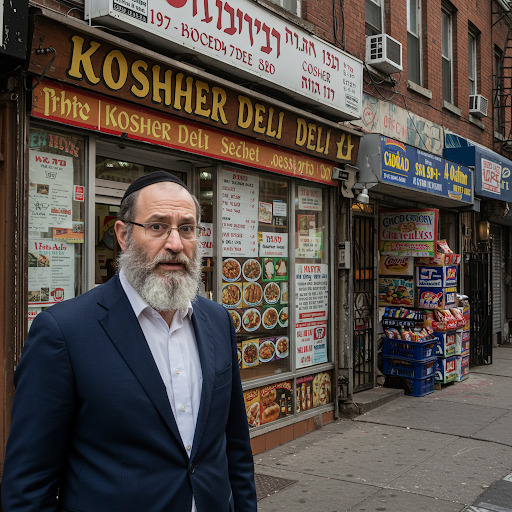
We deem it קבוע and it’s only a 50-50 chance that it’s Kosher and therefore forbidden to eat.

The logic behind this? After all, most of the stores sell only Kosher. So why do we not follow the רוב?

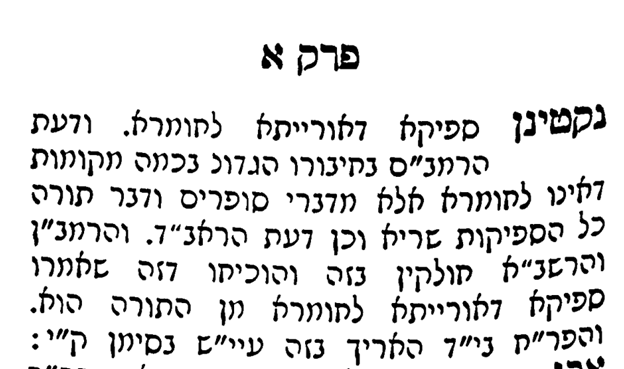
The answer, as most ראשונים write, [Tosfos, Sanh. 79a –וכל קבוע ] is that it is a גזירת הכתוב or a חידוש! [Some אחרונים do give some logic to this. See – קובץ שיעורים כתובות אות מ].

See this article by Professor Dr. Moshe Koppel; he tries to explain קבוע based on probability.

2 – We added another interesting point to the קבוע.
In the example above, when finding a burger on Kingston Ave, we follow the רוב, which are the nine stores selling Kosher versus one טריפה Bodega.
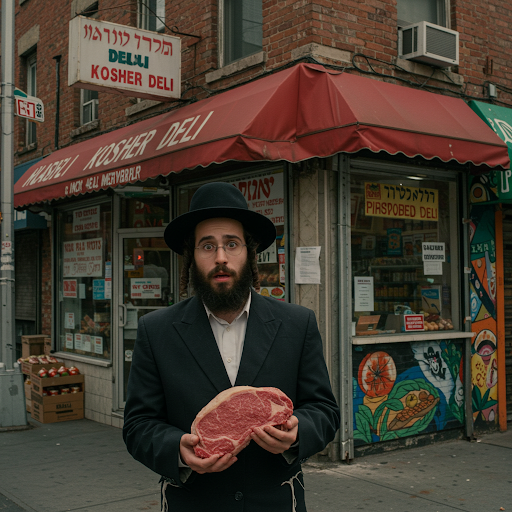
But what if, for example, the טריפה store is a Costco. On any given day, Costco sells more meat than the total sales of all 9 Kosher stores!
Discussed the opinion of the חוות דעת (YD 110, 3) see here top of page 3 and others that we do not take that into consideration. In other words – we follow the majority of sellers and not the majority of meat sold.
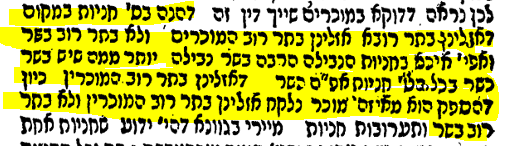
But why? By far most of the burgers in the neighborhood are from Costco? What is their reasoning?

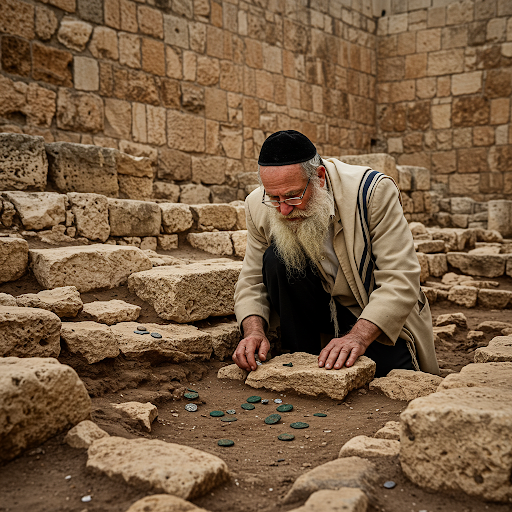
Interestingly,  proof on how to rule on the above a case  is based on our Mishna when finding coins near the 13 Pushkes, with  6 for נדבה versus one for שקלים.

3- We mentioned the נודע ביהודה that agrees to the above.

The case he discusses is in regard to purchasing oven-dried fruits for פסח from a non Jew. The issue was/is if the fruits were/are baked in a bread oven.  Additionally, flour is generally sprinkled on the bottom of the oven for the fruits not to stick.
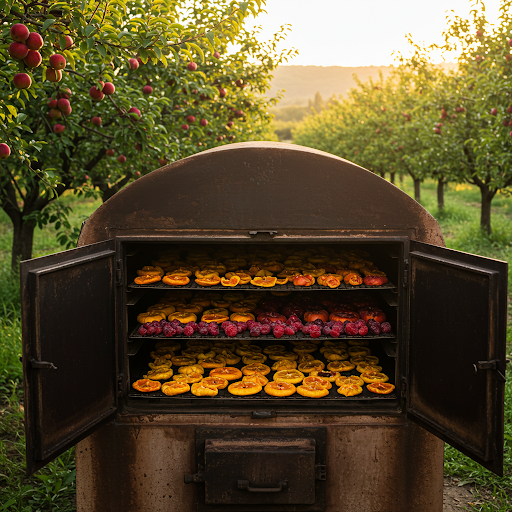
 

He is מתיר to buy from a wholesaler [that buys these dried fruits from many vendors] if the majority of the producers use special ovens [non חמץ] to dry their fruits, כל דפריש.  This is even if there is a large producer that does not use a special oven and out-produces all others.

מעתה במדינתו לקנות מן המביאים לשוק אין שום היתר כלל אבל לקנות מן… השרים בעלי הגנות מאותן פירות שבודאי נתייבשו בתנור שבגנה וגם ידוע שאין הממונה למכור קונה ג”כ מן הכפרים לקבץ יחד למכור ובודאי אינו מוכר רק פירות של השר ההוא היה מקום להתיר…

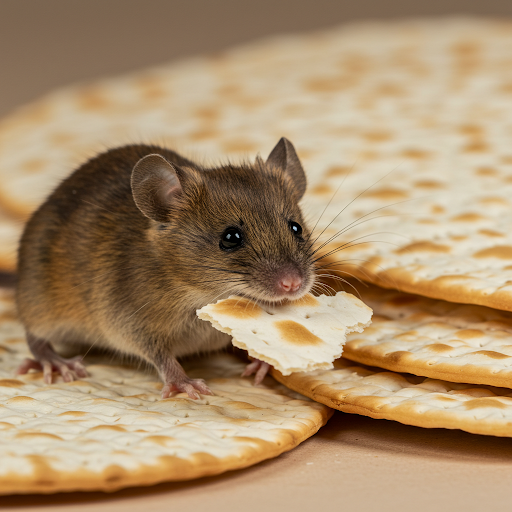
[See also the case of the mouse and the 9 piles of Matza –  אורח חיים תל”ט, and a similar case of buying גידים for תפילין from the home of a non-Jew. אורח חיים ל”ב עה ]
 

There is much more to the above. To be continued BL”N.
———————————–

קבוע. מלקין וסוקלין על החזקות. עשר חתיכות בשר, ט’ טריפה וא’ כשר. האוכל חתיכה אחת מהם, לוקה.
מה אם הספק קבוע? (כגון שקנה מחנות ואינו זוכר מאיזה קנה. או שהיו ציבורים ולקח בפנינו חתיכהה אחת) הרי”ז מחצה על מחצה. האם הולכין גם לקולא (ולא בתר רובא), ואינו לוקה? שקו”ט בזה בכתובות טו, א.
והעיר בגהש”ס פה שמהלשון, חושש, משמע שהולכין לקולא.

קבוע. רק אם האיסור הי’ ברור פעם. ולכן מותר לקנות חיטים למצות מצווה מגויים (בביתם – כלומר במקום קביעתם) אם לא ידוע לנו בבירור שעכ”פ מקצתם רוחצים את החיטים. שו”ע אדה”ז או”ח תנג, יח. (קבוע גם בסי’ תלט, א. וכן בסי’ לב, עה).
ספר הכריתות בסופו. הובא במנחת חינוך מצוה עגלה ערופה.

קבוע. רק אם האיסור כעת הוא בספק. ולכן לא קשה מסנהדרין. כי אנחנו יודעים מה דעת הרוב ומה דעת המיעוט. ספר הכריתות שם.

ט’ חנויות כשר וא’ נבילה. אם הטריפה מוכרת יותר מכל הכשירות? חוו”ד ועוד שלא הולכין אחרי רוב הכשירות. וכ”כ ההפלאה (כתובות טו). נו״ב תנינא (חלק א״ח סימן ע״א) חקר ג״כ בזה וכתב דמלשון הש״ס משמע דהכל הלוי ברוב החנויות ולא במספר הבשר ומ״מ אינו תוקע עצמו בדבר זה להקל, אבל להחמיר ודאי יש לחוש.
ואחרים חולקים. צ”ב מה סברת החולקים?
מה אם הטריפה אינה מוכרת יותר , רק יותר אנשים נכנסים אצלה כי הטריפות נמכרת בחתיכות קטנות?

היסח הדעת.
פסחים לד, א

הר״י בתוס׳ חגיגה (כא ע״א) ד״ה האונן, דלא שייך היסח הדעה לפסול, רק היכא שהיו בידו ואסח דעתיה הימנה, אבל היכא שאין בידו, כגון שאבד לא שייך היסח הדעה ליפסול. עיי״ש. והר״ר אלחנן שם בתוס׳, הביא ראיה לדבריו, ממתני׳ כאן, דאמרינן להדיא דבשר שנמצא בעזרה, עולה נקריבה וחטאה תאכל, ולא מיפסלא בהיסח הדעת. עיי״ש.
ובגליון הש״ס שם, תמה תמיה גדולה על הר׳ אלחנן, שכ׳, שעולה נקרבת וחטאת תאכל. והלא במשנה כאן מפורש זה וזה תעובר צורהו ויצא לבית השריפה, א״כ אדרבא מפורש שהוא פסול ויצא לביתה השריפה, וכיצד יתכן לומר דיש כאן משמעות דכשר להקרבה ולאכילה, ונשאר בצע״ג.
 

Shiur Shkolim 19a(3) Adar 18, 5785 – 3/17/25

BSD
Shkolim 19a (3)
Adar 18, 5785 – 3/17/25

Short notes on topics discussed.

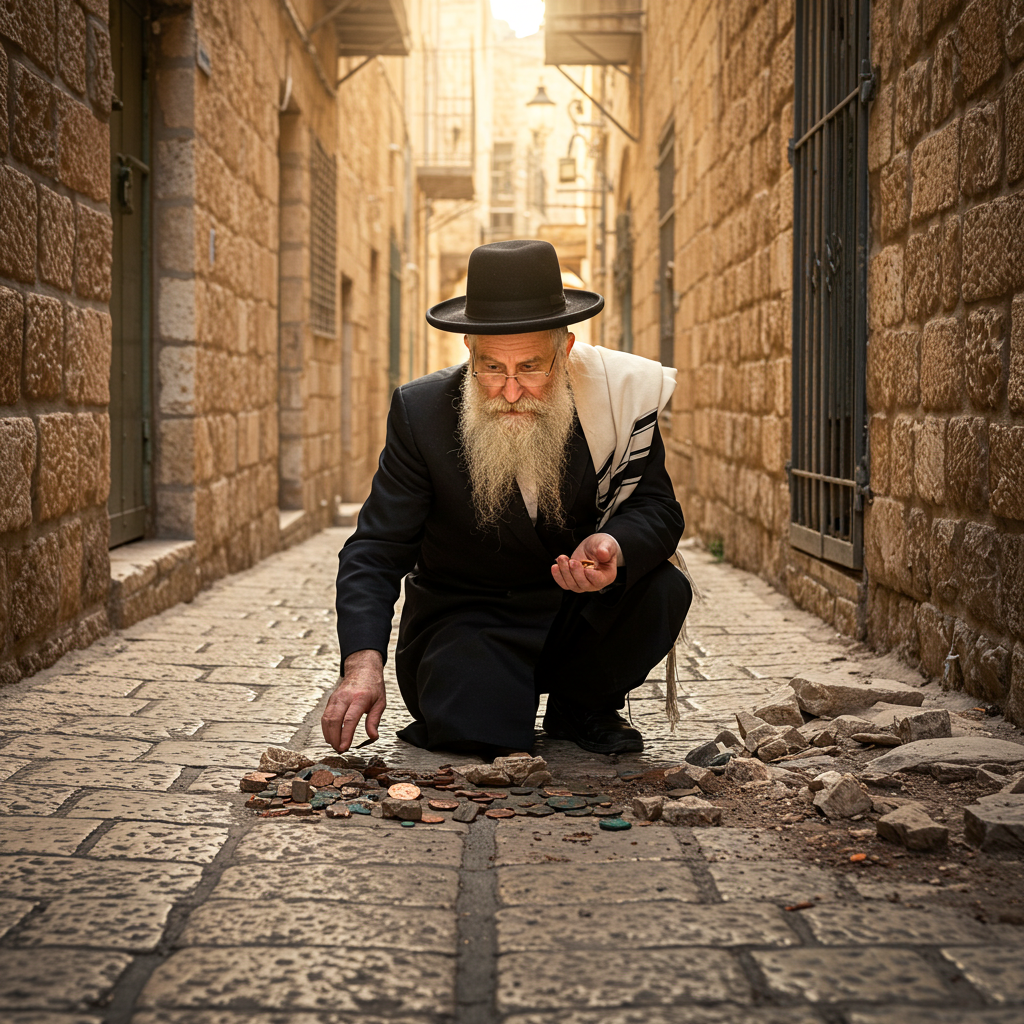
1 – We began the next הלכה concerning items (money, food etc.) that are found in ירושלים in general and the הר הבית in particular.

ירושלים was inhabited by locals and of course, hosted many visitors, especially during the ימי הרגל.

Lost items, such as coins, were either חולין or הקדש.

2- The משנה defines three areas where these lost coins may be found. Each area has a different הלכה.

In the city of ירושלים, in the הר הבית and at the animal market place.

מָעוֹת שֶׁנִּמְצְאוּ לִפְנֵי סוֹחֲרֵי בְּהֵמָה לְעוֹלָם מַעֲשֵׂר. וּבְהַר הַבַּיִת חוּלִּין. וּבִירוּשָׁלִַם בִשְׁאָר יְמוֹת הַשָּׁנָה חוּלִּין וּבִשְׁעַת הָרֶגֶל הַכֹּל מַעֲשֵׂר.

MISHNAH: Coins found near vendors of animals always are מעשר money. On the הר הבית it’s חולין money. In Jerusalem, during the remainder of the year they are חולין, during the holidays everything is מעשר .

3 – We discussed why coins found near the vendors of animals are assumed to be מעשר, because they probably fell out of the pockets of the buyers.

But why not assume that the sellers lost them? Once these animals are purchased, the money paid to the sellers becomes חולין, so why is the assumption that these lost coins are מעשר money?

Tosfos in a few places writes that for every animal there were many buyers.

ואור״י דלוקחים הוו רובא דכמה בני אדם עומדים על בהמה אחת לקנות.
We tried to figure the meaning of these words? At the end of the day, all the money was transferred from the buyers to the sellers. So it’s just as logical to say that it fell from the sellers.

4 -The משנה continues:

בָּשָׂר שֶׁנִּמְצָא בָּעֲזָרָה אֵיבָרִים עוֹלוֹת. וַחֲתִיכוֹת חַטָּאוֹת. וּבִירוּשָׁלִַם זִבְחֵי שְׁלָמִים. זֶה וָזֶה תְּעוּבַּר צוּרָתוֹ וְיֵצֵא לְבֵית הַשְּרֵפָה. נִמְצָא בַּגְּבוּלִין אֵיבָרִים נְבֵילוֹת וַחֲתִיכוֹת מוּתָּרוֹת. וּבִשְׁעַת הָרֶגֶל שֶׁהַבָּשָׂר מְרוּבֶּה אַף אֵיבָרִין מוּתָּרוֹת

Meat found in the Temple courtyard, limbs are עולות and cut pieces are חטאת; in Jerusalem שלמים . In either case it has to lose its shape and be taken out to be disposed of by burning (cannot be eaten).

5 – If at the end of the day, all these pieces of meat needed to be left overnight and then burned, so what bother to figure out what קרבן these came from? Just burn them the next day!

We mentioned a rare רמב”ם in the יד החזקה that explains this משנה.

פסולי המוקדשין יט ד

בשר הנמצא בעזרה איברים עולות וחתיכות חטאות והנמצא בירושלים שלמים הכל תעובר צורתן ויצאו לבית השריפה שמא נותר הוא אם כן מה הועיל שתהיה חזקתו עולה או חטאת או שלמים למי שעבר ואכל אין שורפין את הנותר אלא ביום שנאמר ביום השלישי באש ישרף:

5 – We discussed (also see this Shiur) the issue of money that is found in a Shul. Does the Shul automatically gain ownership because of the money is in its חצר?

The מגן אברהם says that the Shul is not קונה and quotes our גמרא, that coins found on הר הבית does not automatically belong to הקדש and the money actually becomes הקדש.

————————————————————————
לפני סוחרי בהמות המעות מעשר. לכאורה אולי הם של המוכר והכסף כבר נתחלל? רש”י פסחים (דף זי ע״א ד״ה רוב אוכלי): דאכתי הוי ספק ממי נפלו, וספיקא דאיסורא לחומרא.
תוס’ שם קשיא להו אמאי מחשבינן ליה לספק, נימא סמוך מיעוט הלוקחים במעות חולין לפלגא מעות שביד המוכר, והוי ליה רובא להיתר. ומתרץ ר״י דהלוקחים הוי רובא ‘דכמה בני אדם עומדים על בהמה אחה לקנותה‘. וכן כתבו בבבא מציעא כ״ו ע״א (ד״ה לעולם מעשר).

בהר הבית חולין. מגן אברהם הלכות בית הכנסת (או״ח סי׳ קנ״ד ס״ק כ״ג) מצא דבר בחצר ביה הכנסת זכה בו, ולא אמרינן דחצר ביהכנ״ס קונה להקדש, דחצר קונה משום יד, ואין יד להקדש. וציין המג״א למסכת שקלים פ״ז.
בתוס׳ רעק״א על משניות הקשה אמאי אמרינן בהר הבית חולין, נימא דאף אם כשנפלו היו מעוה חולין זכה הקדש באבידה, מטעם חצר, וציין להקצות החושן (סי׳ ר׳ אות א׳) דשקיל וטרי בזה.

from the קצות above:

מיהו קשה בהא דתנן שקלים פ”ז מעות שנמצאו לפני סוחרי בהמה לעולם מעשר בהר הבית חולין ואמרי עלה בירושלמי דלא חיישי’ לתרומת הלשכה דחזקה אין כהן מוציא מעות מתרומת הלשכה עד שהוא מחללן על הבהמה ע”ש

Shiur Shkolim 19a (2) Adar 4, 5785 – 3/04/2025

BSD
Shkolim 19a (2)
Adar 4, 5785 – 3/04/2025

1- Continued from last week if money was found on the floor in the area of the 13 שופרות.

Since there are many levels in הקדש, a coin found between these 13 שופרות (that are destined for different types of the עבודות in the בית המקדש), there are specific rules on where to allocate them to.

2- We ‘scratched the scratch of the surface’ on the large issue of ספקות.
Namely, for all the תרי”ג מצוות where there is no doubt or question life is simple.

  • Putting on fire on Shabbos is prohibited.
  • Crabs are not kosher.
  • Tefillin need to be worn everyday.
  • Yossi Farro on X: "A Chabad accountant in London once asked the Rebbe why he chose tefillin, not a more universal mitzvah like kosher, to publicize. The Rebbe replied: “There's a Jew

However, in case of doubts, like ‘is electricity considered fire?’ ‘is swordfish kosher?’ or ‘is 10 minutes before night considered day?’ all of these fall into the category of ספיקות.

The same applies if we are unsure if for example: did I say שמע? Or when we are unsure what the final הלכה is. Is machine מצה is OK for the first night of פסח. Or one is unsure if he gave מחצית השקל.

Laws of Raising Jewish Children | Aish

Torah life is full of such ספיקות.

Are Doubts Acceptable in Theosophy?

3 – We mentioned that interestingly nowhere does the תורה say explicitly, that when in doubt, if we should go לחומרא or לקולא.

However there is the global rule that if the ספק is in regards to a מצוה דאורייתא, we usually go לחומרא. On מצוות דרבנן we usually go לקולא.
ספק דאורייתא לחומרא וספק דרבנן לקולא

Parenthetically, we mentioned the famous מחלוקת between the רמב”ם and the רמב”ן if this rule itself is מן התורה or מדרבנן.
The classic work on this topic is the שב שמעתתא.

4 – The above rule that ספק דאורייתא לחומרא וספק דרבנן לקולא, obviously is only when we cannot resolve the ספק. If we have a piece of meat of unknown and unverifiable origin, [it is  –  ספק –   [כשר או לא, we go לחומרא, since it’s a דאורייתא question. If something is questionable if it’s טבל (nowadays), then perhaps we go לקולא.

Kosher?

But ספקות can be resolved by verification. Such as witnesses (a Hechsher)  stating that an item is Kosher. If a גט is in question if it actually reached the woman’s hand, witnesses can testify and the ספק is resolved.

5 – There are other ways to establish a fact when in doubt.

We briefly discussed 3 of these methods; all three are מן התורה.

A – חזקה. Roughly translated as ‘status quo’.

Free Transparent PNG Clipart Images ...

For example, if a מקוה drops below 40 סאה and we are unsure when this drop occurred. חזקה will tell us that we can assume that it had a full 40 סאה up to the moment we realized that it was below 40.

B- רוב. That means we rely on statistics and nature. Since in the majority of cases the results are x, we can assume that this ספק is also x.
For example in הלכות טריפות: an animal is טריף if the membrane covering its brain is punctured. Now, do we need to check every animal if that is indeed so? The answer is that we rely on רוב. Being that by far, most cows and bulls do not have punctured skulls, there is no need to check them.

[Lungs are checked because lesions סרכות are common]

סירכא – ויקיפדיה

בדיקת הריאה

C – קרוב. Location. If an object found on the street and we question  to whom it belongs, קרוב rules the person that lives closest to the location where it was found, has a strong case that it belongs to him.

6 – We discussed the מקור for all 3 above and what if two of the above point in opposite directions. Which one outweighs the other?

7 – In general, these 3 types of verifications, the הלכה is not telling us ‘what actually the item is’ or ‘what actually happened’.

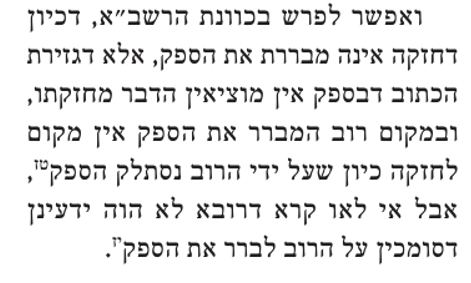
For example, finding a piece of meat in a city that has mostly kosher butchers, the הלכה, says that it can be eaten. But it does rule that it is a kosher piece of meat or that we are allowed to eat it?  The consensus is that it just advises us that we can rely on the רוב and eat it. We discussed this point at length.

Which store did the meat come from?

Ditto for חזרה and קרוב.

קובץ:ר' אלחנן ווסארמאן.jpeg

F – However, we mentioned ר’ אלחנן וסרמן who says (קובץ שיעורים ב”ב סי’ ע”ח)  that there is a difference between a חזקה and רוב. A חזקה, as above, only tells you that ‘follow the status quo’.

For example: If a man throws a גט to his wife and we are unsure if it reached her, we go after the חזקה that she is still an אשת איש since are unsure of what happened. But it’s not that the חזקה tells us that it did not reach her because she is an אשת איש. For what has her current status to do with resolving the question if it reached her or not.

It’s just that since we are in doubt, we leave her status as it is.
רוב however verifies (to an extent) what the status is. Like in the example above of finding meat in a Jewish city.

The רוב verifies and tells us that it is indeed a Kosher piece of meat.

These topics are deep and complicated. We mentioned them as a broad introduction to explain our משנה that says that we follow the rule of קרוב, as where to direct the coins found in the area of the שופרות.

Why not רוב? Why don’t we check which שופר has the most coins?

To be continued.