Shiur Shkolim 18b (2) 26 Shevat, 5785 – 2/25/2025

BSD
Shkolim 18b (2) – 19a
26 Shevat, 5785 – 2/25/2025

Brief notes

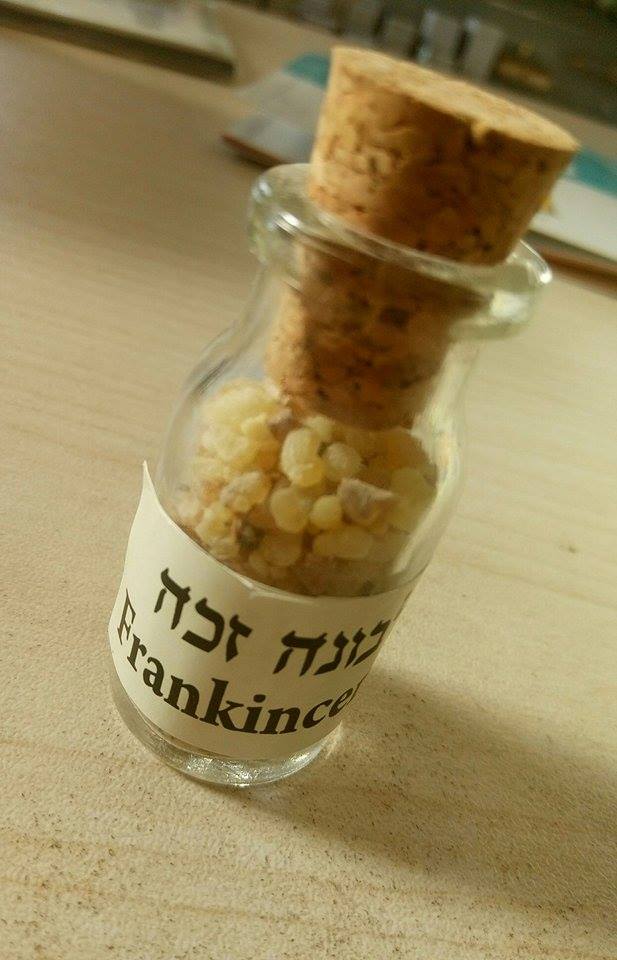
1- Discussed the קומץ which was the minimum amount one needed to supply to the בית המקדש if he wished to donate לבונה, frankincense.

Here.

תלמוד ישראלי - מדובר בקומץ --- בטח שמעתם לא פעם את המילה קומץ בהקשר למעט אנשים. הידעתם שבמסכת מנחות שבתלמוד הבבלי המילה מופיעה פעמים רבות בהקשר לקורבן המנחה? הכהן לוקח בידו את

2 – The גמרא offers 4 explanations for the 6 שופרות that were labeled נדבה. Why 6 שופרות ?

The first one is that it corresponds to the 6 families in every משמר. We reviewed the way the 24 משמורות worked as we learnt at the end of מסכת סוכה.

Who were the Levites? - TheTorah.com

One of the groups hard at work

Due to the large number of כהנים in every משמר, they were split into 6 groups corresponding to the 6 weekdays. Each בית אב worked on one day of the week.

On שבת they all worked together.

הר הבית חדשות - מָקוֹם בַּמָּקוֹם: משמרות כהונה עבודת בית המקדש התחלקה בין הכהנים לפי משמרותיהם • מדי שבת התחלפה משמרת • סדר משמרות הכהונה נשמר זמן רב לאחר חורבן בית המקדש •

Now, when visitors would enter the בית המקדש they would donate for קיץ המזבח. To avoid conflicts, these donations were split evenly into these 6 שופרות, with each of the 6 בית אב using the coins of one of the 6 on their allotted day to bring עולות for קיץ המזבח.
ושלום על ישראל

3- The פרק ends with the discussion about the ‘box with the hole’ that was placed in the בית המקדש by יהוידע הכהן.
Was it one box or 2?

4- We began the next פרק that discusses a case where money was found on the floor between these 13 שופרות.

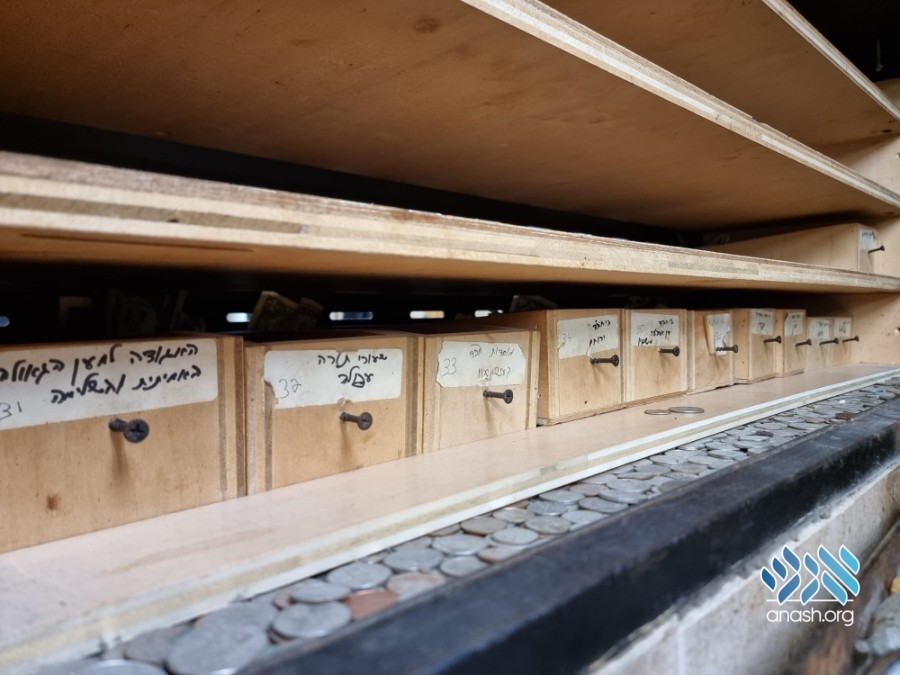
Many coins did not make it into the Pushke

Since there are many levels in הקדש, we need to be careful as to where we place these found coins.

The using of צדקה money that was collected for one purpose for another (also) worthwhile צדקה is something that needs to be done carefully. We discussed these issues in פרק שני.

So a coin found between these 13 שופרות that are destined for different types of the עבודות in the בית המקדש, there are specific rules on where to allocate them to.

5 – We discussed the global issue of ספקות in הלכה and will BL”N continue at the next shiur.


Klimovich

Shiur Shkolim 18b 20 Shevat, 5785 – 2/18/25

BSD
Shkolim 18b
20 Shevat, 5785 – 2/18/2025

1- We continued from last week.
יהוידע הכהן had an issue with a פסוק חומש.

Here are some parameters to understand his issue.
קרבנות in general are of two categories.

Obligatory ones – חובה, such as עולה, חטאת and אשם.
Donated ones – נדבה. Such as שלמים and עולה.

אבי הראל: קורבן חטאת – היבטים נוספים | ייצור ידע

A חטאת or אשם are brought as a כפרה – sin offering, with part of the animal placed on the מזבח and the rest (meat and hide) going to the כהנים.

An עולה is all burnt on the מזבח, except for the hide which the כהנים keep.

Sefer Vayikra Parsha Package
However, when discussing the laws of an אשם, where the meat in eaten by the כהנים, the פסוק surprisingly concludes by saying:

אָשָׁם הוּא אָשֹׁם אָשַׁם לַהשם.

להשם usually means, like an עולה , totally consumed on the מזבח.
So how do we reconcile this with an אשם that usually is partly eaten by the כהנים?

2- יהוידע הכהן explained that the פסוק is indeed discussing an אשם. However not the actual and usual אשם, but the extra money that may be left over after one purchases an אשם.

The extra מותר of an אשם and חטאת , the פסוק is telling us, is collected  to buy עולות that are completely placed and burnt on the מזבח and (only) the hides go to the כהנים. Thus, this type of (hybrid) קרבן, brought when there is nothing else to place on the מזבח, is in a sense an אשם (having been originally designated as an אשם) but it is totally consumed by the מזבח – as the פסוק states אָשָׁם הוּא אָשֹׁם אָשַׁם לַהשם.

3 – Speaking of an אשם we mentioned the famous רבינו יונה of Girona. Here and here.  From Chabad- org.

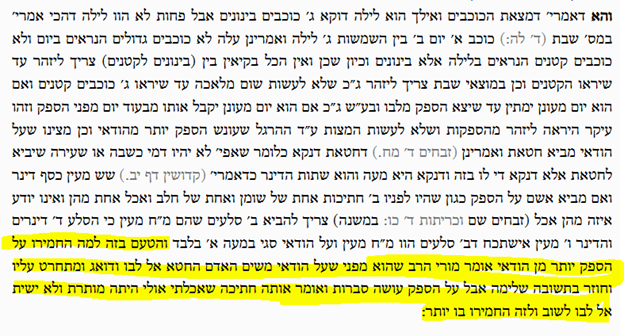
רבינו יונה has an interesting explanation as to why the cost of אשם , brought on a ספק עבירה, is by far much more expensive than a חטאת, which is brought on a ודאי שוגג.
Here.

‘Why is it that the תורה is מחמיר on an אשם more than a ודאי?

(see also Ramban here) 

My teacher (רבינו יונה) said that when doing תשובה on a ודאי one is truly contrite ,regretful and his repentance is whole heartedly.
However, when repenting on a ספק, human nature is to come up with many excuses (סברות) thinking that ‘perhaps there was no sin committed at all’ and there is no need to repent….

So the תורה says that an אשם should be far more expensive, resulting to compel this person to do a proper תשובה’.

Quoted by the Alter Rebbe in his Shulchan Aruch. OC 603

See also לקו”ש ח”ג ע 944.

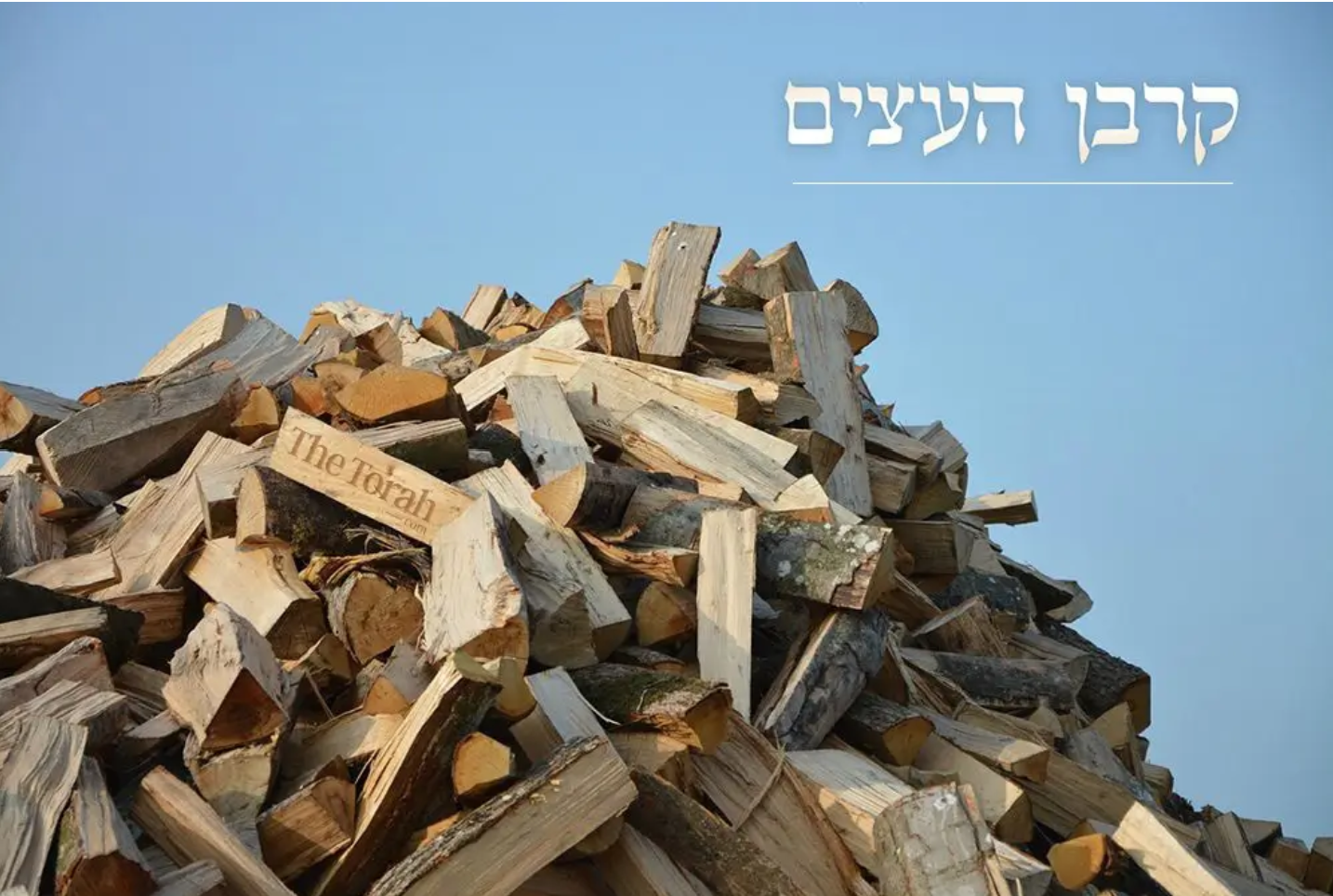
4 – The גמרא continues discussing a קרבן עצים and the minimum amount of wood one must bring.

Interesting point about the size of the logs placed on the מזבח. Due to the rather small area of the מערכה, the logs needed to be an exact אמה, to allow an area for the כהנים to walk around it.

Logger Photos

קרבן עצים is a great מצוה, but make sure that it allows room for others….

When giving צדקה one needs to use, in addition to his heart, also his שכל…..

Big Fish Eat Little Fish: Over 662 Royalty-Free Licensable Stock Illustrations & Drawings | Shutterstock

We mentioned the humorous story (unsure if it actually happened) of the carp inside the תשליך……

Shiur Shkolim 18a 13 Shevat, 5785 – 2/11/25

BSD
Shkolim 18a
13 Shevat, 5785 – 2/11/2025

1- After the ‘diversion’ describing שְׁלֹשָׁה עָשָׂר שֻׁלְחָנוֹת שְׁלֹשׁ עֶשְׂרֵה הִשְׁתַּחֲוָיוֹת הָיוּ בַּמִּקְדָּשׁ , the last משנה of this פרק, finally addresses the topic of our מסכתא:

.שְׁלֹשָׁה עָשָׂר שׁוֹפָרוֹת הָיוּ בַּמִּקְדָּשׁ

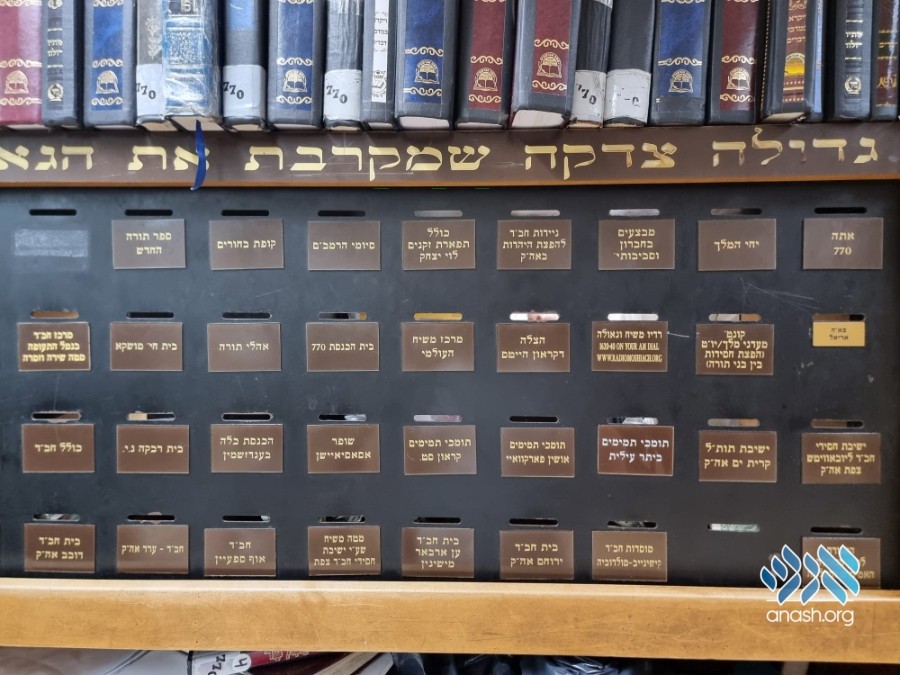
2- So we have 13 Pushkes – שׁוֹפָרוֹת for various purposes, each with a particular label. They were shaped like a שופר so that no hand can be inserted into them.

Widow's Mite Ideas | Rotation.org

This topic is placed in שקלים מסכת due to the fact that the first Pushke was for the actual שקלים that were collected every year throughout the world. If one wanted to bypass all the collectors, he would insert his מחצית השקל into Pushke #1. תִּקְלִין חַדְתִּין – New Shkolim.

From this Pushke they שקלים would be placed in the לשכה.

Pushke #2 was for ‘old Shkolim’. תִּקְלִין עַתִּיקִין. This one was for those that missed giving a מחצית השקל in the previous year.

The משנה continues enumerating the other 11 Pushkes.

3 – The latter part of the משנה (and following גמרא) touches on a קדשים topic, with an interesting historical story.

We generally find many מדרשים explaining פסוקים in ש”ס etc. by the תנאים and אמוראים.

Our משנה describes a story where a מדרש on פסוקים was recorded hundreds of year before the תנאים – in the time of the first בית המקדש!

Now, the כהן גדול at the time of יואש המלך was יהוידע. He is on the list of the מסורה – one of the people by which the תורה was transmitted, going back to משה רבינו.

יהוידע הכהן – צפת.נט

Rambam in his Hakdomo to the Yad:
אליהו קיבל מאחיה השילוני ובית דינו, ואלישע קיבל מאליהו ובית דינו, ויהוידע הכהן קיבל מאלישע ובית דינו.

4 – יהוידע הכהן had an issue with a פסוק חומש.

Here are some parameters to understand his issue.
קרבנות in general are of two categories.
Obligatory ones – חובה, such as עולה, חטאת and אשם.
Donated ones – נדבה. Such as שלמים and עולה.

A חטאת or אשם are brought as a כפרה – sin offering with part of the animal placed on the מזבח and the rest (meat and hide) going to the כהנים.

ויקרא Flashcards | Quizlet

An עולה (brought as a חובה or נדבה) is all burnt on the מזבח, except for the hide which the כהנים keep.

However, when discussing the laws of an אשם, when the meat in eaten by the כהנים, the פסוק concludes by saying:
אָשָׁם הוּא אָשֹׁם אָשַׁם לַהשם.

להשם usually means, like an עולה , totally consumed on the מזבח.
So how do we reconcile this?

To be continued.

5 – We mentioned an interesting idea about a story in מסכת שבת.
10 a.
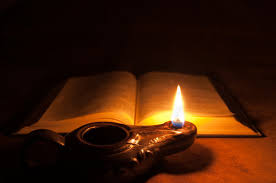
Ancient Oil Lamp Images – Browse 173 ...

The משנה states וְלֹא יִקְרָא לְאוֹר הַנֵּר. One should not read by the light of a candle on שבת. No reason for this prohibition is offered.
However, in 12b, the גמרא quotes a תוספתא: that states the reason for this הלכה: Do not read by candle light for one may adjust the wick.

לֹא יִקְרָא לְאוֹר הַנֵּר, שֶׁמָּא יַטֶּה. אָמַר רַבִּי יִשְׁמָעֵאל בֶּן אֱלִישָׁע: אֲנִי אֶקְרָא וְלֹא אַטֶּה. פַּעַם אַחַת קָרָא וּבִקֵּשׁ לְהַטּוֹת. אָמַר: כַּמָּה גְּדוֹלִים דִּבְרֵי חֲכָמִים שֶׁהָיוּ אוֹמְרִים לֹא יִקְרָא לְאוֹר הַנֵּר. רַבִּי נָתָן אוֹמֵר: קָרָא וְהִטָּה, וְכָתַב עַל פִּנְקָסוֹ: אֲנִי יִשְׁמָעֵאל בֶּן אֱלִישָׁע קָרִיתִי וְהִטֵּיתִי נֵר בְּשַׁבָּת; לִכְשֶׁיִּבָּנֶה בֵּית הַמִּקְדָּשׁ אָבִיא חַטָּאת שְׁמֵנָה״!?

How to refurbish and use old oil lamps - Cottage Life

One may not read a book on Shabbat by the light of the lamp, lest he adjust it. Rabbi Yishmael ben Elisha said: I will read and will not adjust, as I will certainly not forget that it is Shabbat. However, once he read a book by candlelight and he sought to adjust the wick. He said: How great are the words of the Sages, who would say that one may not read by candlelight. . Rabbi Natan says: That was not the way it happened. Rather, he read and actually adjusted the wick, and he wrote afterward in his notebook [pinkas]: I, Yishmael ben Elisha, read and adjusted a lamp on Shabbat. When the Temple will be rebuilt I will bring a fat sin-offering as atonement for my sin.

As others point out – the story with Reb ישמעאל, is only brought down as part of the תוספתא where a reason is given. The dry הלכה in the Mishna, where no reason is given, is not followed by the story of Reb ישמעאל.

Why?

The answer is that when no טעם of a גזירה is given, there is less of a chance that one may say : I know the reason and it does not apply to me.

In the תוספתא where a reason is offered, it follows with a story to teach us that despite what one may think, a גזירה is not bound by the reason. Even if one thinks that the reason does not apply, the גזירה must still be adhered to.

As the גמרא writes in עבודה זרה, on 35a that the חכמים, when announcing a new גזירה, would (sometimes) not divulge the reason behind the enactment of the גזירה until 6 months.

דְּאָמַר עוּלָּא כִּי גָּזְרִי גְּזֵירְתָּא בְּמַעְרְבָא לָא מְגַלּוּ טַעְמָא עַד תְּרֵיסַר יַרְחֵי שַׁתָּא דִּלְמָא אִיכָּא אִינִישׁ דְּלָא סְבִירָא לֵיהּ וְאָתֵי לְזַלְזוֹלֵי בַּהּ.
 

Shiur Shkolim 17b (3) 6 Shvat, 5785 – 2/4/25

BSD
Shkolim 17b (3)
6 Shvat, 5785 – 2/04/2025

Some short notes:

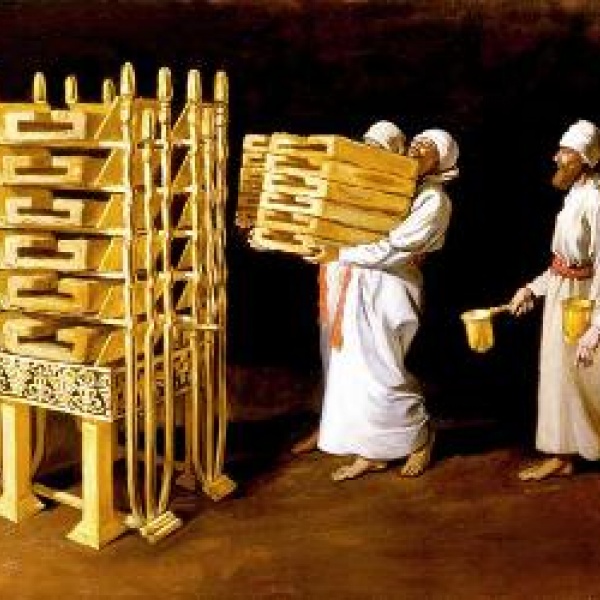
1 – Our גמרא begins to discuss the 10 מנורות and the 10 שולחנות that שלמה המלך placed in the בית המקדש he built.

Beis Hamikdash Topics: Tour of the Temple: Class 13

These were in addition to the original מנורה ושולחן that was made by משה רבינו for the משכן.

2 – The difference of opinions if these extra 10 were used.
Some say never, some say occasionally and others say they were always used.

[If they were always used it means that every week there were 120 loaves of bread placed on these tables]

Yoma | Torah In Motion

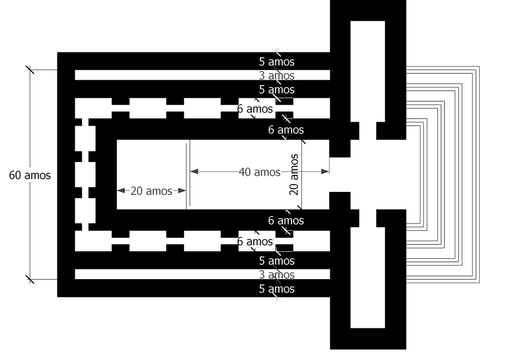
3 – Now these extra 10 were inside the היכל.

5 on each side of the original מנורה ושולחן.

The issue is that because of their size, the 10 would overflow out of their designated area as is stated in the חומש. Namely, the שולחן needs to be in the North of the היכל, and the מנורה in the South.
Additionally, they needed to be in the Western half of the היכל.

Picture

4 – Our ירושלמי גמרא is cryptic and we discussed the lengthy סוגיא on this topic in מסכת מנחות.

5 – Another topic discussed are two opinions as to the direction the שולחן ומנורה were placed. West to East or North to South. We mentioned the רמב”ם that accepts the opinion of one in regards to the מנורה and the other opinion in regards to the שולחן.

Understanding Direction Based on the Sun - Geography Realm

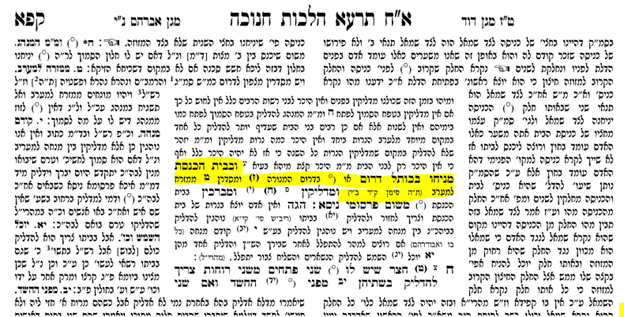
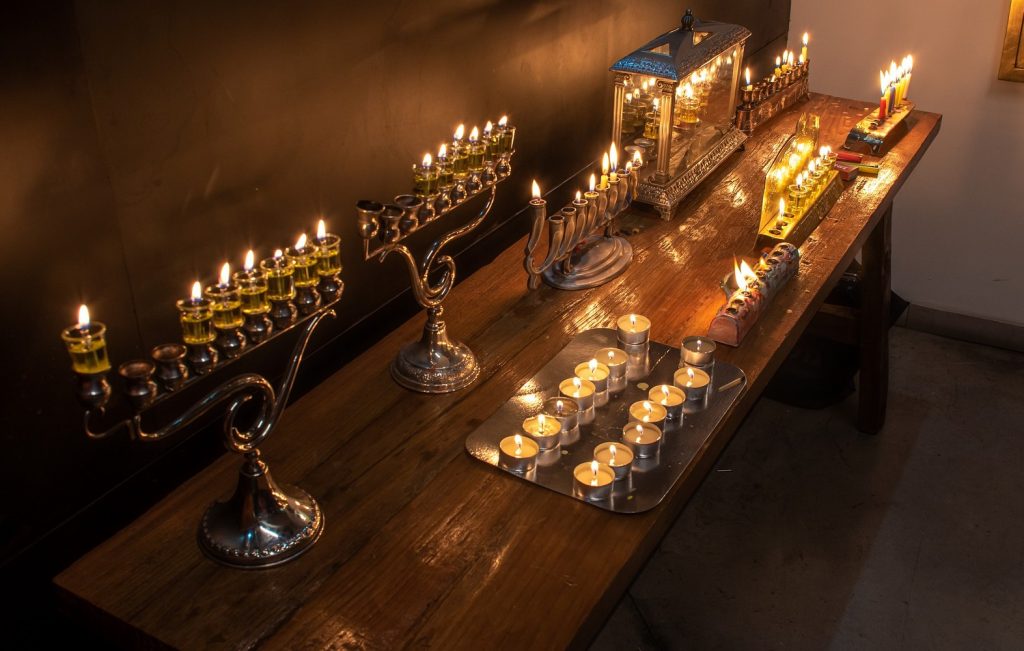
6- We touched on the topic of the מנורה on חנוכה. In the שלחן ערוך (OC 671, 7) it says that the מנורה in a Shul should be placed on the South wall. The רמ”א quotes the תרומת הדשן that we should place them in the direction of מזרח למערב. See the מגן אברהם.

Extraordinary Menorahs - Issuu

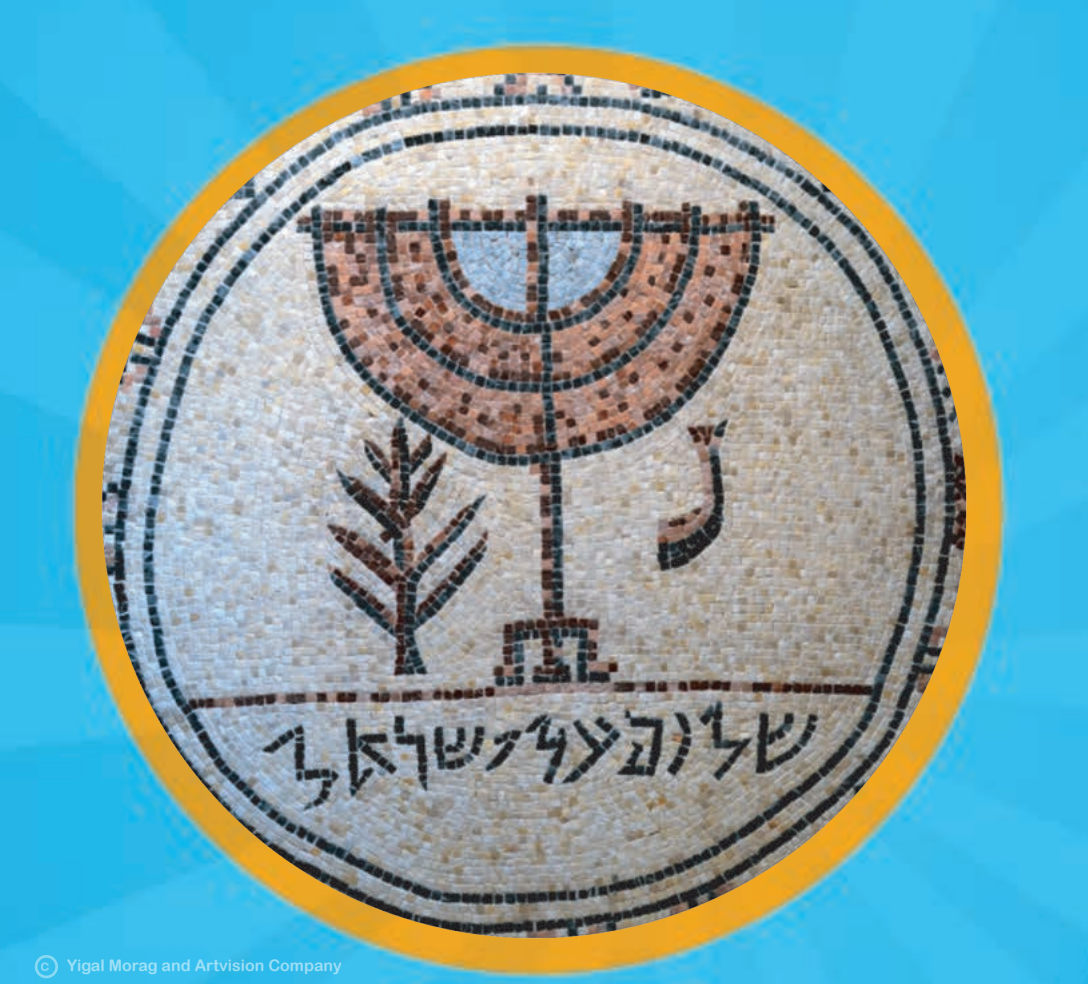
Menorah at South wall in 770

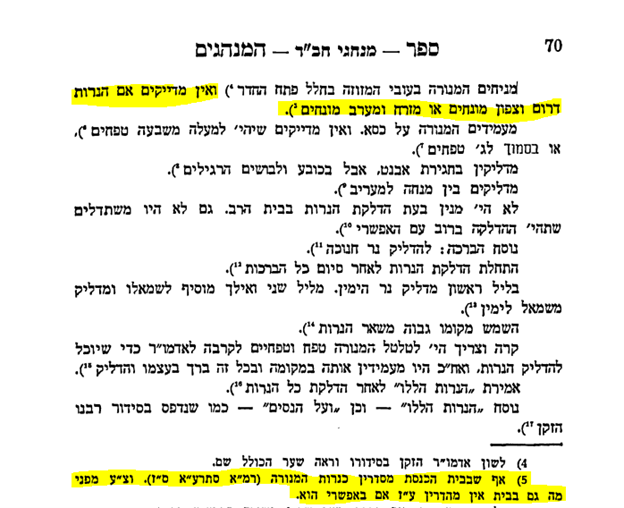
In ספר המנהגים חב”ד there is a footnote wondering why we don’t place our home מנורה in the מזרח למערב direction if possible.

Guide to Lighting the Menorah | Judaica Webstore Blog

7- We mentioned the topic of where should the position of a רב of a Shul be. Either to the left of the ארון קודש, (when facing the ארון קודש) that would mean on the North side – צפון. Or to right of the ארון קודש, meaning on the South side – דרום.

Logic would say on the same side as the מנורה (left- צפון ) since it represents חכמה.

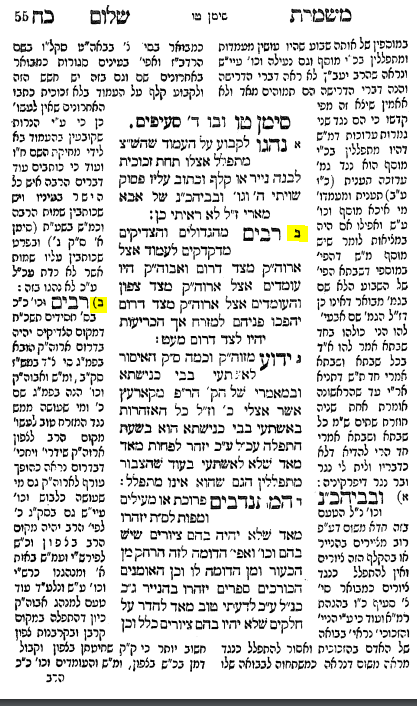
8- We discussed the משמרת שלום by ר’ שלום קוידנובר who writes on this topic.


Notes in Hebrew:

א-
רמב”ם פסק שהשולחן היה עומד ארכו לאורך הבית, מערב מזרח. אבל המנורה  צפון דרום.
והרמ”א תרע”א מביא מתה”ד שה”ה למנורת חנוכה – מזרח מערב. ועיי”ש במג”א שכן צ”ל בבית הכנסת. ובספר המנהגים חב”ד כותב בהערות שצ”ע למה לא נהגו כן בבית אם אפשרי.

ב-
הרמב״ם (הלכות תפלה פי״א ה״ג) בונין תיבה באמצע בית הכנסת כדי שישמעו כולם בשווה. והכסף משנה שם לימד זכות על קהלות אלו, לפי מה שנתן הרמב״ם הטעם כדי שישמעו. אבל החת”ס או״ח סי׳ כ״ח מביא ראי’ מאלכסנדריא שלא שמעו את החזן ואעפ”כ הי’ הבימה באמצע. ומבאר החת״ס מסכרא, דכיון שנכו מחזיקין את הבימה שקורין עליה כקרבנות, שהיא דוגמת המזבח, מפכי כן סוככים את הבימה בערבה בסוכות כשם שהיו מקיפין את המזבח בביהמ״ק, וא״כ כשם שהמזבח היה נתון באמצע ההיכל, כן מהראוי להעמיד את הבימה באמצע ביהכנ״ס דוגמת המזבח. והאריך החת״ס ומסיק דהכלל הוא חדש אסור מן התורה בכל מקום.
וראה יהודה יעלה למהר״י אסאד זי״ע (או״ח סי׳ ג׳). כמו הר סיני שכולם היו מסביבו.

ג-
משמרת שלום (קיידנוב, סי׳ ט״ו סעי׳ ב( רבים מהגדולים והצדיקים מדקדקים לעמוד אצל ארוה״ק מצד דרום ואכוה״ק היו עומדים אצל ארוה״ק מצד צפון.

ד-
במנחת חינוך (מצוה צ״ח) מסתפק אם מה שכתבה תורה שתהיה המנורה כיכר

זהב טהור, הכוונה שתהי׳ לכל הפחות כיכר, אכל טפי מכיכר לא איכפת לן, או שמא הקפידה תורה שתהיה כיכר דוקא לא פחות ולא יותר. ומביא ראי’ מדברי רש״י ז״ל עה״ת שם ככר, לא פחות ולא יותר, הרי דאסור להוסיף על משקל המנורה. ומביא ראיה מסוגיין ומגמ׳ מנחות שהכניסו אלף כיכרות לאור עד שעמדו על כיכר, וכן מהא דהכניסו את המנורה, שהיתה יתירה דינר, שמונים פעמים כאור עד שעמדה על כיכר, הרי דיש קפידא שלא תהא יתירה על כיכר, דאל״ה למה להו לאטרוחי כולי האי שלא תהא יתירה על כיכר.