BSD
Shkolim 21b
Iyar 28, 5785 – 05/27/25
Brief notes.
1 – We discussed the general interaction between the ‘learned’ or חברים and the עמי הארץ at the time when the laws of טומאה and טהרה were practiced.
If an עם הארץ would become טמא by touching a מת, then obviously his טומאה (like anyone else) would be at the דאורייתא level.
The חכמים , seeing that lack of strictness by these people (in addition to lack of knowledge of טומאה וטהרה), took this to another level by ruling that all עמי הארץ by default, were considered to be not טהור. This טומאה designation was a דרבנן enactment.
[This obviously caused much friction and didn’t add to camaraderie]
Even if an עם הארץ would claim that he kept the laws of טהרה, he would not be believed, since they were clueless as to all the Halachic details of טומאה וטהרה.
Obviously, for those that kept a lifestyle of טהרה , coming into contact with others that did not, was very problematic.
Can they shake hands? Can they do business together? Can food be purchased from them?
2 – There were certain times and interactions where the חכמים were lenient and allowed the עמי הארץ to be considered טהור. Each case for a different reason.
For example: An עם הארץ bringing wine or flour to the בית המקדש would be accepted and presumed טהור because we assume the holiness of the בית המקדש would cause them to prepare and keep any נדבה as טהור. Alternatively, the reason is not to cause strife by not accepting it, which would cause them to bring קרבנות on a self made במה.
Another example: During the harvesting season of wine and olives. The חכמים assumed that all producers ensured that they were טהור so that their products would be sold and consumed by all, ie merchandising/marketing. Once the season was over, they would revert back to a non טהרה state.
3 – The topic we discussed wa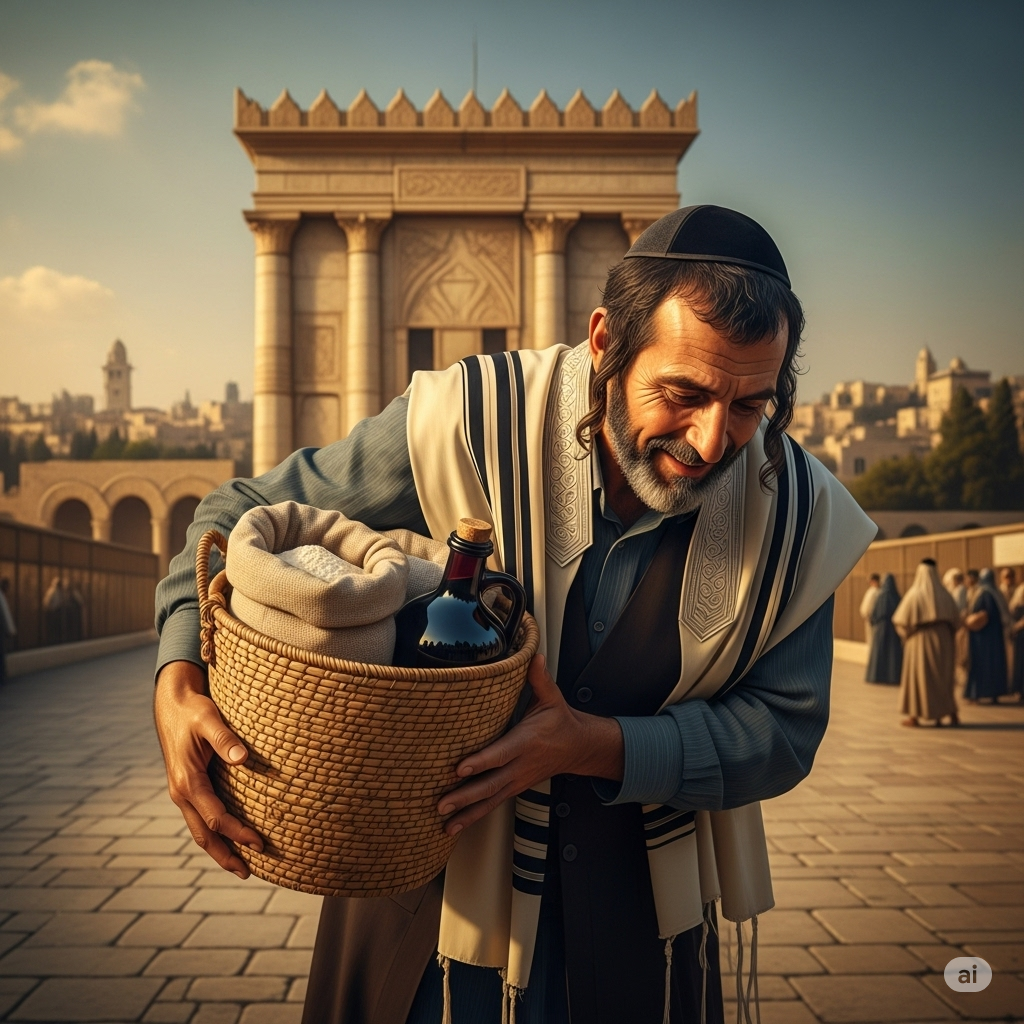 s another time frame when all the עמי הארץ
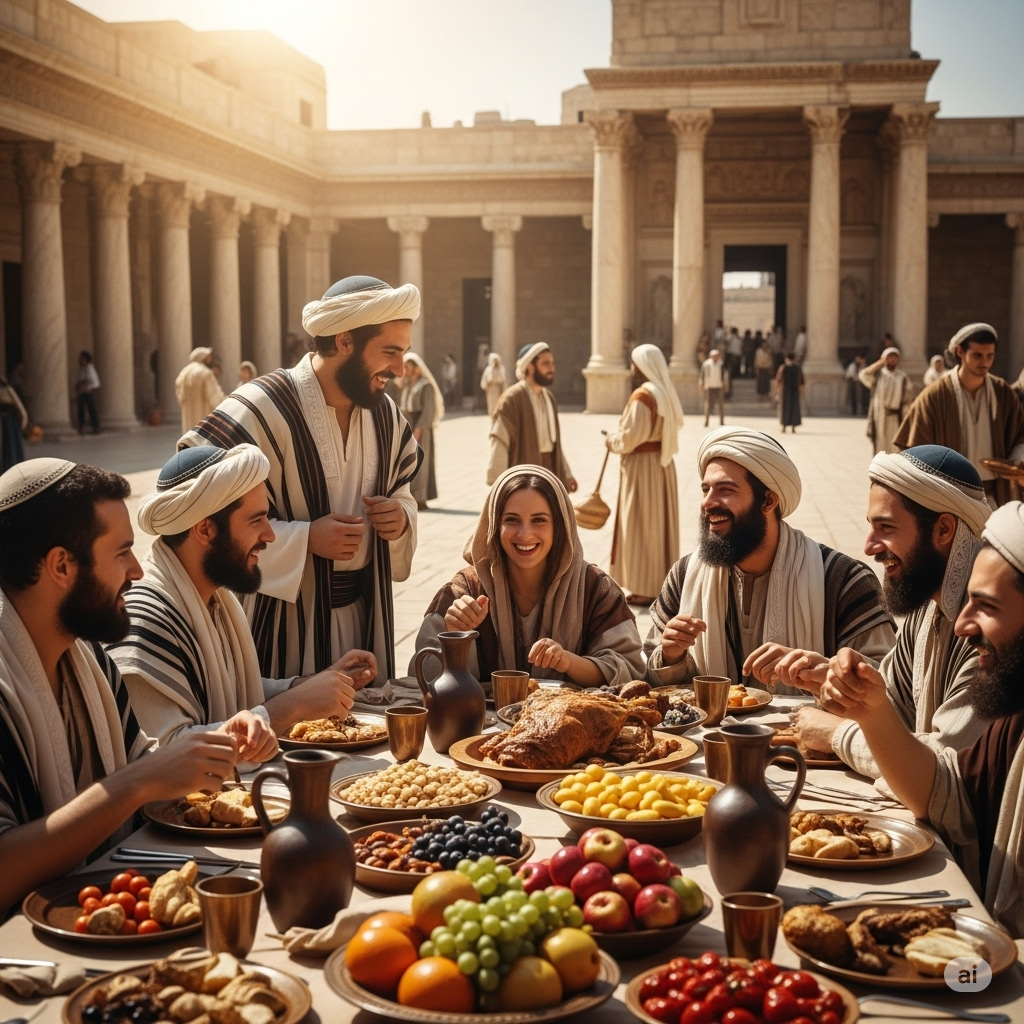
would be considered טהור – during the שלוש רגלים. This lenient time frame had an interesting post script. Any product that was touched by an עם הארץ during יום טוב was טהור and was allowed to be consumed by all.
However, and here is the paradox: As soon as יום טוב was over, any left over was considered טמא!
So if an עם הארץ placed, say a loaf of bread on the table, anyone could eat it because it was deemed טהור. However, after הבדלה, if there was a piece of the loaf left uneaten, it would be considered טמא.
How does that make sense?
See here the Rambam’s words. מטמאי משכב ומושב ט, יא
טומאת ע”ה ברגל כטהורה היא חשובה שכל ישראל חברים הן ברגלים וכליהם כולם ואוכליהם ומשקיהן טהורים ברגל מפני שהכל מטהרין עצמן ועולים לרגל. לפיכך הן נאמנים כל ימות הרגל בין על הקודש בין על התרומה. משעבר הרגל חוזרין לטומאתן:
During the pilgrimage festivals, the impurity decreed upon the unlearned is suspended and they are considered as pure. For the entire Jewish people are considered as חברים during the pilgrimage festivals. All of their utensils, their food, and their liquids are considered as pure during the festivals, for everyone purifies themselves and ascends to Jerusalem on the festivals. Therefore their word is accepted – whether with regard to sacrificial foods or with regard to terumah – throughout the festivals.
After the festival passes, they are considered as impure again.
4- The Rambam, by offering an interesting reason for this הלכה – because ‘everyone purifies themselves and ascends to Jerusalem on the festivals’ makes it even more perplexing.
If everyone goes thru the process of becoming טהור [with מי חטאת etc] why does their food automatically become טמא right after הבדלה?
5 – We discussed various explanation of the Rambam and the Rebbe’s unique idea on this.
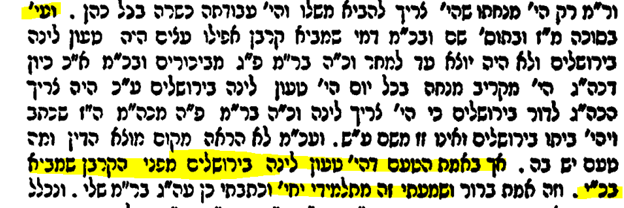
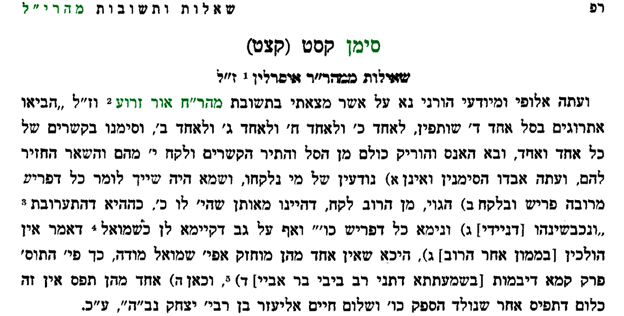
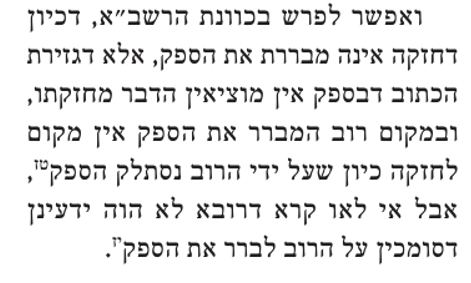
Synopsys in Hebrew. .לקוטי שיחות לז, ע‘ 20
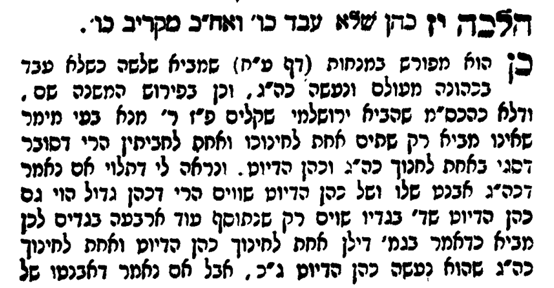
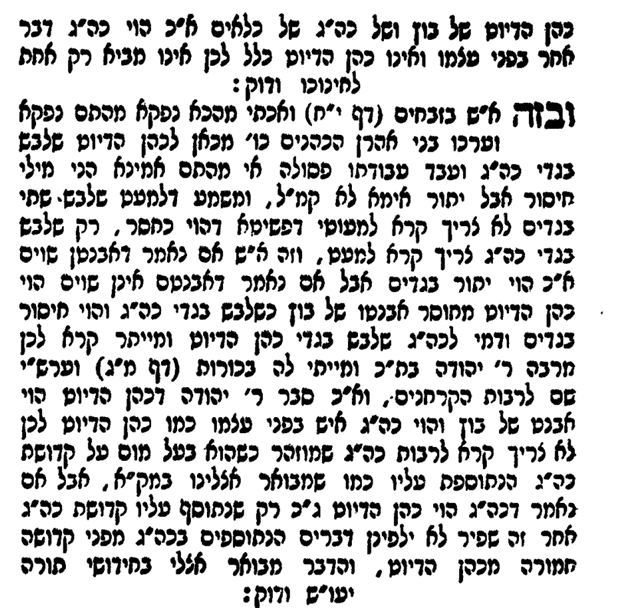
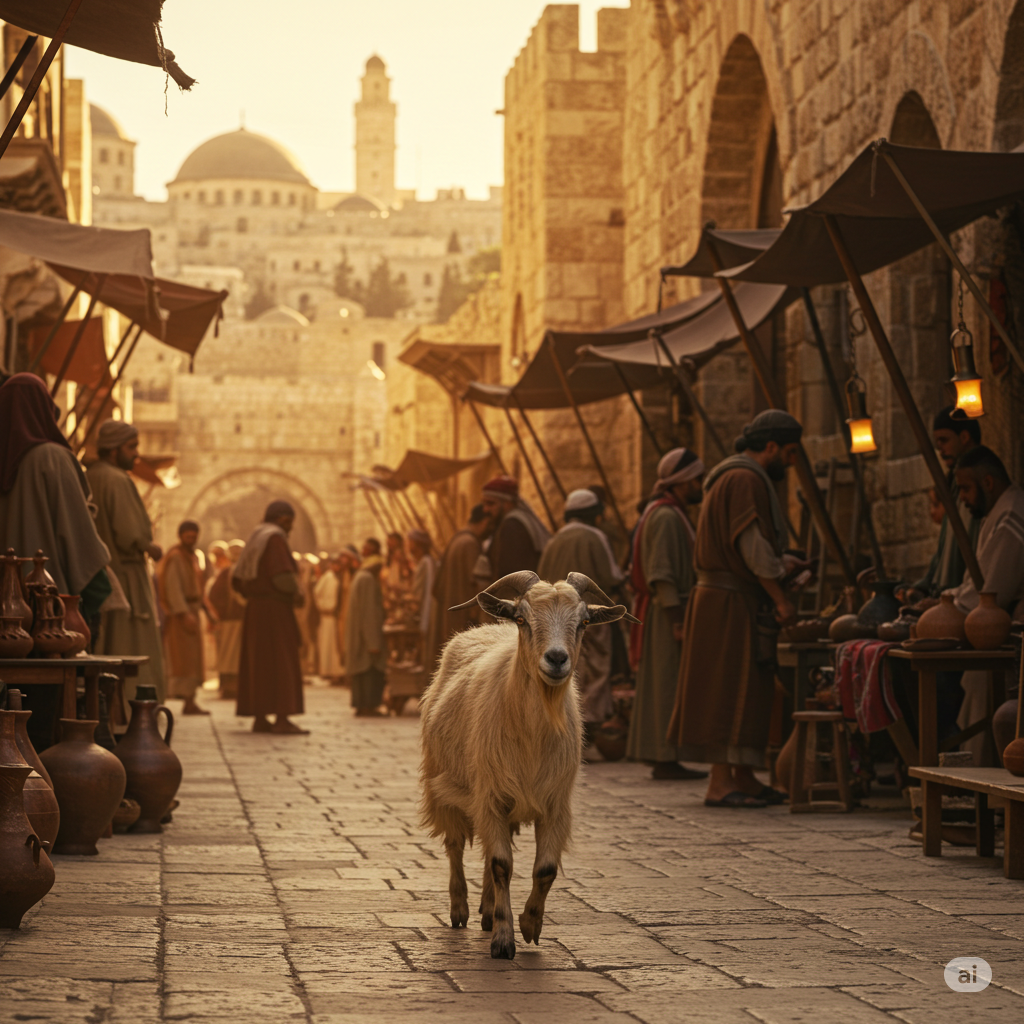
Briefly, the Rebbe says that the fact that all עם ישראל come together in one place, during שלוש רגלים , created a ‘new entity’. The individuals lose their identity and jointly create a new כלל. [Not unlike טומאה דחוי’ בציבור]
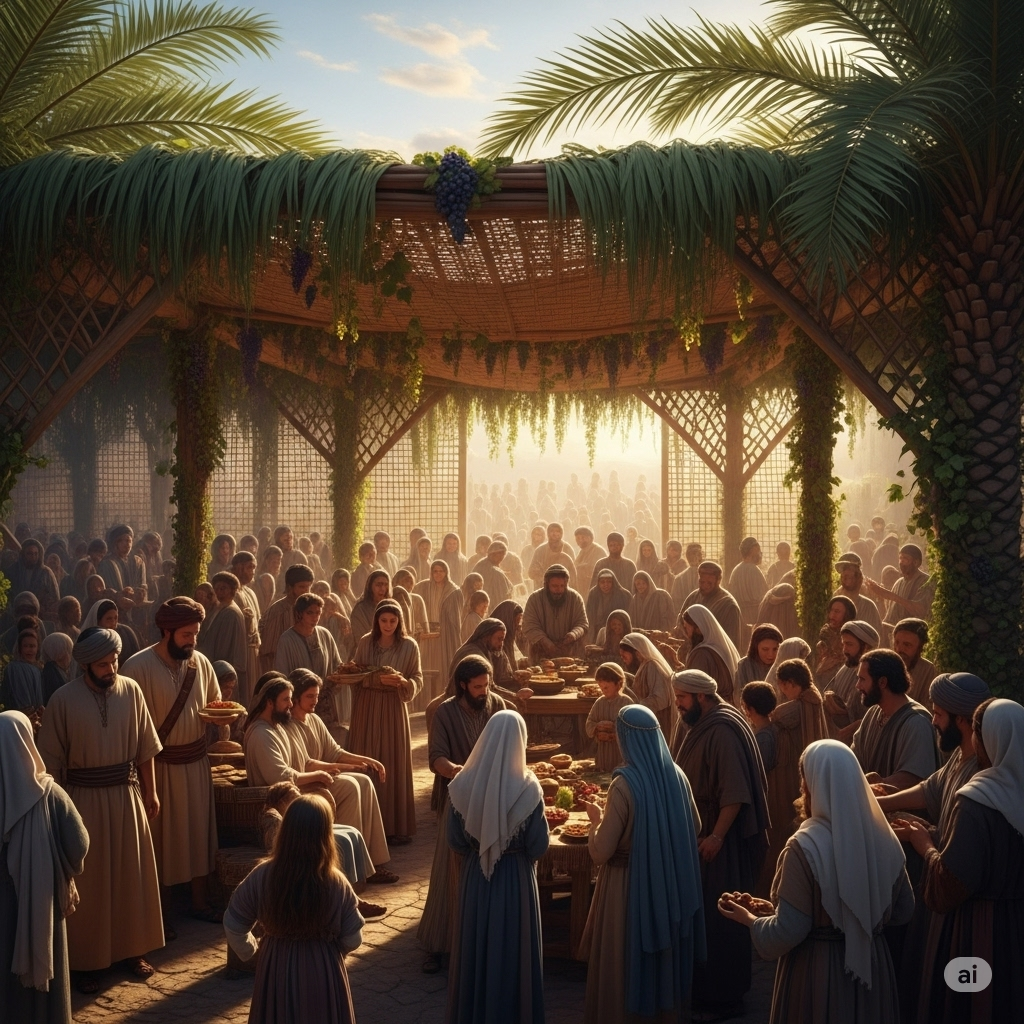
So in a sense, there are no עמי הארץ during that period when all become חברים and everything is deemed טהור. But this phenomenon lasts only during יום טוב.
For when יום טוב ends each person becomes unique and an individual יחיד.
In regards to שבת:
רמב”ם, הלכות מעשר, פרק ט’, הלכה ט”ז
“ולמה האמינוהו בשבת? מפני כבוד השבת, שאם לא תאמינהו ימנע מלאכול – ונמצא יושב בתענית, ולפיכך הקילו עליו. ועוד אמרו: עם הארץ אינו משקר בשבת.
6 – The next משנה has an interesting line relating to the פרוכת that separated the היכל and the קודש הקדשים.
רַבָּן שִׁמְעוֹן בֶּן גַּמְלִיאֵל אוֹמֵר מִשֵּׁם רַבִּי שִׁמְעוֹן בֶּן הַסְּגַן פָּרוֹכֶת עוֹבְיָהּ טֶפַח עַל שִׁבְעִים וּשְׁתַּיִם נִימִים נֶאֱרֶגֶת עַל כָּל נִימָה וְנִימָה עֶשְׂרִים וְאַרְבָּעָה חוּטִין. אָרְכָּהּ אַרְבָּעִים אַמָּה וְרָחְבָּהּ עֶשְׂרִים וּמִשְּׁמוֹנִים וּשְׁתֵּי רִבּוֹא הָיְתָה נַעֲשֵׂית. וּשְׁתַּיִם עוֹשִׂין בְּכָל שָׁנָה וּשְׁלֹשׁ מֵאוֹת כֹּהֲנִים מַטְבִּילִין אוֹתָהּ.
Rabban Simeon ben Gamliel says in the name of Rebbi Simeon, the son of the Executive Officer of the Temple: The thickness of the פרוכת was טפח. It was woven on 72 strings and each string was composed of 24 threads. Its length 40 cubits and its width 20 cubits; it was made for 820’000 {denar}. Two were made every year and 300 Cohanim were involved immersing it in the מקוה.
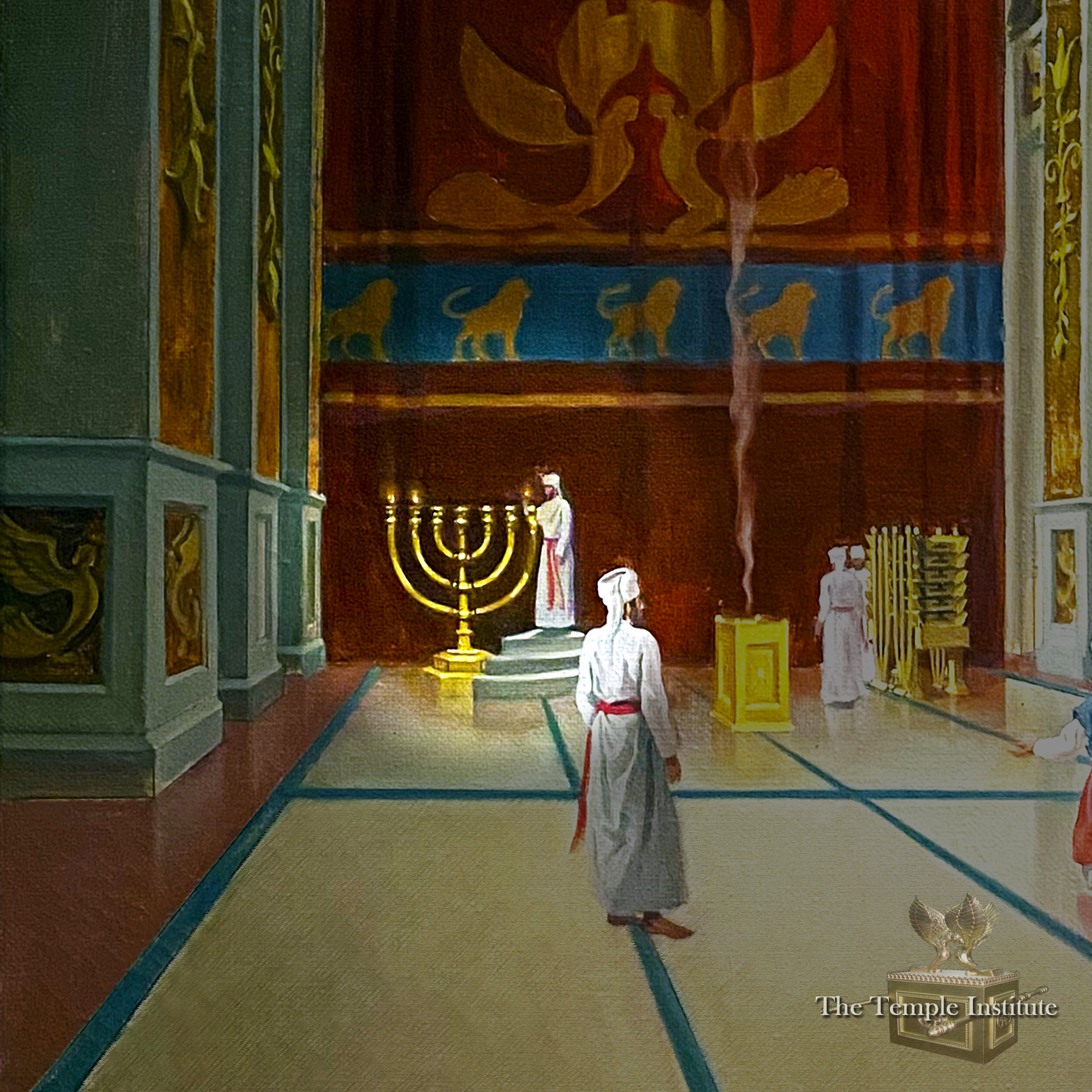
300 כהנים holding the פרוכת? The גמרא says in תמיד that the number 300 is an exaggeration.
There is a brilliant explanation of the number 300 attributed to the גר”א.
As we learned earlier (16a) in our מסכתא there is an opinion that there were 2 types of אמות.
One used for the כלים which was 5 טפחים and another of 6 טפחים which was used for measuring the building of the structure of the בית המקדש.
Now, as the משנה states the size of the פרוכת was 40 x 20 amos. Since the פרוכת was a כלי it means that these אמות were of 5 טפחים.
That means that the length and width of the פרוכת was 200 x 100 טפחים and the entire perimeter 600 טפחים.
So 300 כהנים using both hands to move and dip the פרוכת equals 600 טפחים…..
7 – However, as many have pointed out there is an issue with this calculation.

True, כלים were measured with an אמה of 5 טפחים. But the measurement of the פרוכת was given to correspond to the width and length of the opening of the door way that separated the היכל from the קודש הקדשים which was also 40 x 20. מדות פ”ד.
And that space, since it was part of the building was measured with an אמה of 6 טפחים!
So the actual perimeter of the פרוכת was 720 טפחים.
————————-
Here are some brief notes of the שיחה above.
לז, שמיני א.
כל ישראל חברים.
רמב“ם מטמאי משכב ומושב יא, ט : טומאת ע”ה ברגל כטהורה היא חשובה שכל ישראל חברים הן ברגלים וכליהם כולם ואוכליהם ומשקיהן טהורים ברגל מפני שהכל מטהרין עצמן ועולים לרגל. לפיכך הן נאמנים כל ימות הרגל בין על הקודש בין על התרומה. משעבר הרגל חוזרין לטומאתן:
וצ”ע, אם מטהרין עצמן למה חוזרין לטומאתם?
ורש”י פי’ שלא לבייש.
במל“מ פי’ עיקר הטעם הוא משום איבה (כמו שנאמנין ע”ה על הקודש) שלא יבנה כ”א במה לעצמו. אבל לפי”ז העיקר חסר מן הספר. ועוד, שם כתב הרמב”ם הטעם (לא כמ”ש בש”ס חגיגה כב, א משום איבה, אלא) מפני חומרתו.
ובפר”ח פי’ שיש טומאת מת, דאורייתא, וטומאת ע”ה, מדרבנן. וע”ז כתב הרמב”ם שמטומאת מת- מטהרין עצמן, וטמאת ע”ה לא גזרו מפני שמחת יו”ט, ורק טומאה זו נשארת אחרי החג. אבל ג”ז צ”ע – וכנ”ל העיקר חסר מן הספר.
וההסבר הוא: מהפסוק כל ישראל חברים כשנאספים במ”א, מתבטלת מציאות היחיד. כלומר אין כוונתו (רק מפני) שכל אחד וא’ טיהר עצמו. רק שעי”ז הציבור נעשה טהור. ע”ד טומאה דחוי’ בציבור.
הע’ 48 – לפי”ז גם אלו שלא עלו טהורים. ולכן לא הזכיר הרמב”ם שזה רק בירושלים כמו בהקדש.